LAL BAGH BOTANICAL GARDEN
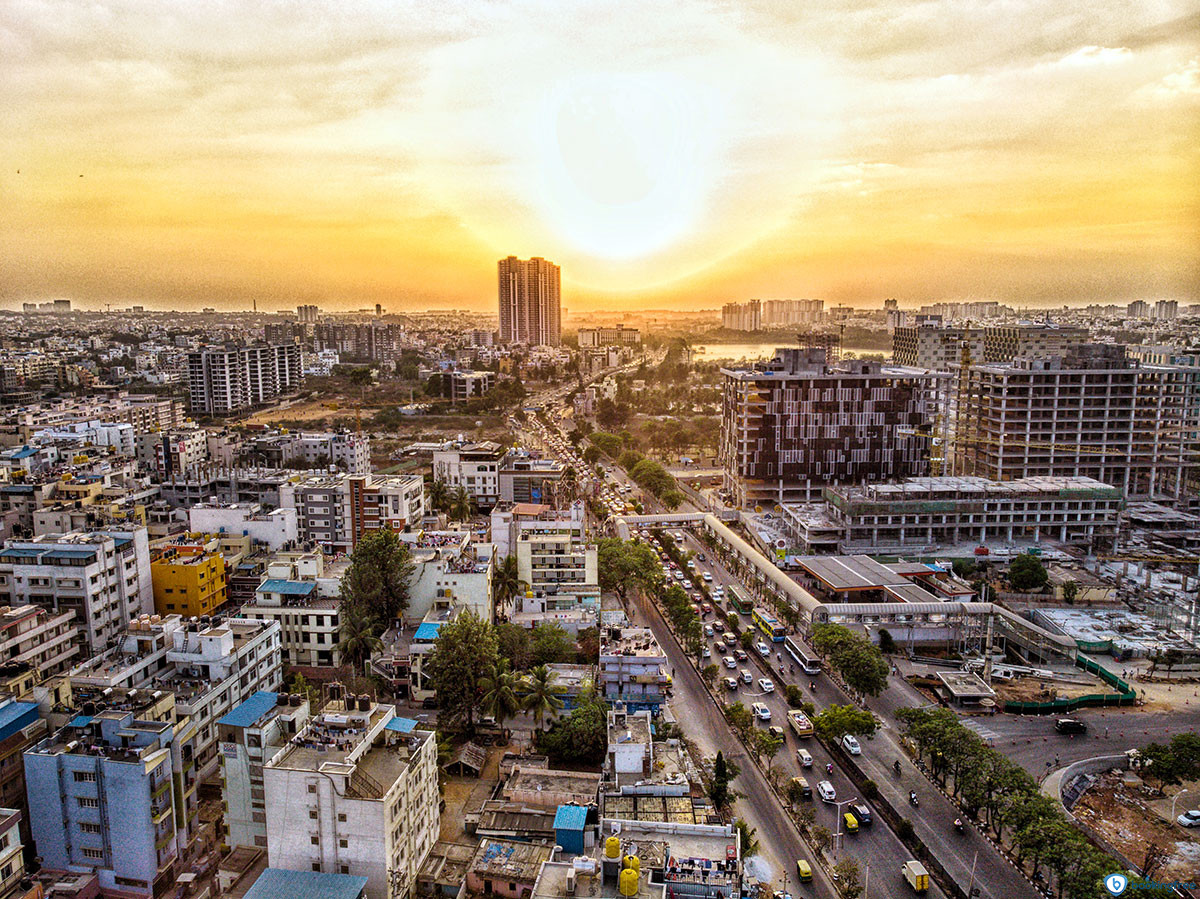
Lalbagh Botanical Garden, Bangalore, is of royal origin and was initiated first as a private garden on 40 acres by Hyder Ali, the most famous ruler amongst the most known leaders of old Mysore, in 1760. At first, it was planned in Mug style, using the model of a broad garden at Sira in Tumkur, close to Bangalore. It makes it one of the best places to see in Bangalore. The Lalbagh Botanical Gardens are one of India's oldest and the main attraction for tourists travelling to South India. This Lalbagh Botanical Garden, situated in South Bengaluru, is not only one of India's largest gardens It also has planned routes, glasshouses, and ornamental flowers growing all around the place. The garden lies over 240 acres, and its construction was commissioned by the famous ruler Hyder Ali. It was finally completed by his son, Tipu Sultan, who designed the gardens while keeping in mind the beautiful gardens of Sira in Tumkur District in Karnataka. Lalbagh is rich in exotic flowers imported by the Sultan from France, Persia, Arabia, Afghanistan etc. Hence, flowers that had not even been seen in India earlier were first witnessed here in this historic garden. Tipu Sultan imported trees from all over the world, and they have grown here to date besides these exotic trees. Despite its exceptional plant life and animals in the Lalbagh Botanical Garden, another breathtaking aspect is the Lalbagh rock. The stone is about 3,000 years old and is one of the second oldest rocks on earth. It is located in the very middle of the garden. The best time to go to Lalbagh Botanical Gardens is in the winter season when it is active and habitable, usually from November to March in Bangalore; even if it is open throughout the year, it tends to be a dull, warm season in the summer months. Coming here during the monsoon season is fine, as continuous rains can hamper your chances of fully enjoying the garden's beauty. Above that, you should also know how to plan your trip to the garden between January and August because every year, the Glass House holds a flower exhibition in January and August.