Jewish Synagogue in  kochi

Jewish Synagogue in kochi

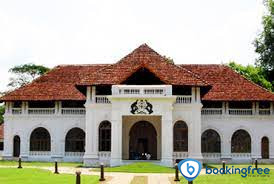
Jewish SynagogueAlso known as Paradesi Synagogue or Mattancherry Synagogue, Cochin Jewish Synagogue is the oldest active Synagogue in Kochi and the Commonwealth of Nations. Located in the Jew Town area of Kochi, the Synagogue was constructed in 1567 and is one of the seven synagogues of the Malabar Yehudan or Yehudan Mappila. The Synagogue shared its walls with the Mattancherry Palace and was built by Spanish- speaking Jews; therefore, it is also known as 'Paradesi,' meaning 'foreigners.' brag of rare antiques including beautiful chandeliers, clock tower, brass railed pulpit, Chinese hand-painted tiles, etc. and striking architecture, the Synagogue has four buildings of its own. In 1662, the Synagogue was destroyed by the Portuguese but was later updated by the Dutch after two years. History of Jewish Synagogue Originally the Yehudan Mappila or the Malabari Jews ran a flourishing spice trade in Kerala. The first Synagogue was built in Kodungallur (Cranganore) in the 4th century. But a new synagogue was built here when the Paradesi Jews moved to Kochi in the 14th century. The first Synagogue was destroyed in the 16th century during the Portuguese persecution of Jews. The current one is the second Synagogue built adjacent to the Mattancherry Palace on the land granted to the Jews by the Raja of Kochi. Jewish Synagogue had three classes of members- White Jews or the Paradesi Jews- descendants from Spain, Portugal, and the Netherlands Black Jews or the Malabari Jews- the original Jew settlers of Kochi. They were admitted inside the Synagogue but weren't allowed full membership. Meshuchrarim was a group of formerly enslaved people. They were only allowed to sit on the floor inside the Synagogue, or they could only sit on the stairs outside. Today, the Synagogue allows all devotees and worshippers but has separate sections for men and women. However, the worshippers are required to enter the Synagogue barefoot. The architecture of the Jewish Synagogue Jewish Synagogue boasts of striking architecture now. The central hall is decked in beautiful chandeliers and adorned with gorgeous lamps. Several rare antiques and ancient unique articles on display add to the Synagogue's charm. Besides, the floor is the highlight of the Synagogue, which has been done in bright blue hand-painted tiles belonging to the 18th century Chinese. Many tourists visit here every day to admire the enchanting floor. With beautiful pillars holding up the starry roof, there is also a pulpit at the center with brass nails. A separate porch has been built for women with gorgeous protruding golden columns and a teak arc. At the front, there are four scrolls of the Torah encased in silver and gold. Other attractions include 4th-century copper plates with inscriptions and two gold crowns of olden-day kings.

Read more
Kalady In Kochi

Kalady In Kochi

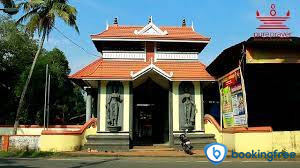
Kalady KochiIn God's land, the birthplace of one of the greatest Indian philosophers lies. The step is a famous traveler center that became famous as Adi Sankaracharya's birthplace. Located near Cochin in Kerala, Kalady is dedicated to Sankaracharya and his memory. A step is a place that celebrates knowledge and culture. It gives utmost importance to its history and has established itself as one of the most important destinations for the traveler. There are two major shrines in Kalady dedicated to the memory of Adi Sankaracharya.The only son of Sivaguru and Aryamba, Sankaracharya is said to have completed the study of Vedas at the age of 16 itself. He also evolved the philosophy of Advaita, one of the Vedantic school's two principals, confirming Brahma's sole existence. Out of the two shrines at step, one is devoted to him as Dakshinamoorthi. At the same time, the other is dedicated to Goddess Sharada and is looked after by the Sringeri Mutt, which is believed to be situated exactly at the same place where Adi Sankaracharya's house once stood.Many important temples also surround a step, like Manickamangalam temple, Sri Krishna Temple, and Sri Adi Sankara Keerthi Mandapam, to name a few. These are a bonus to the traveler as they get the best religious experience out of step. The step also has a lot of Ghats. With river bodies flowing through it and travelers around, it is a place to attain peace and forge it. The step air is filled with culture, history, religion, and spirituality, making it a perfect pilgrimage.The step was earlier known as Salam. There is a heart-touching story behind this name. One day Aryadevi, mother of little Sankaracharya, fainted while walking the 3 km stretch for her daily bath in the Poorna River. Sankaracharya asked his favorite deity, Lord Krishna, for aid. The Lord blessed him, saying, "River will flow where your little feet mark." As young Sankaracharya marked his little feet on the ground, the mighty Periyar River took its new course following his feet.From that time onwards, Sasalam came to be known as step, meaning 'Feet.'This place is believed to have been founded by Rajasekara, a chieftain. Legend says that Rajasekara's dreams were influenced by the Hindu god Shiva. His dedication towards Lord Shiva is shown very evidently as he built a Shiva temple and arranged a settlement for Brahmins. The renowned temples Sringeri Mutt and Kanchi Mutt have branches of their temples in step. Kanchi Mutt built the Adi Sankara Kirti Stamba Mandapam under the guidance and support of Chandrasekarendra Saraswati, a well-known sage. The step is proud of its association with Sanskrit and has a Sanskrit University currently run by the Sringeri Mutt.The Legendary Ghats in maladyKalady Kadavu:is where the river took its turn, and Kalady was born. It is also where Sankara performed his ancestral deity's first river bath (Aaraattu) before installing it at its current location. The tradition continues during the festival at Sree Krishna Temple.Muthana Kadavu or Crocodile Ghat is where Sankara took Sanyas. Initially, his mother disagreed with his desire to become a sanyasi. However, one day when he was bathing in the river Poorna, accompanied by his mother, a crocodile caught hold of his leg, and Sankara used this opportunity to convince his mother in his favor. Ghat of the Post-Funeral Rites of Mother Aryadeviis where Sankara performed his mother's last rites. Now, this Ghat is within the temple compounds of Sree Sringeri Mutt. Festivals Celebrated in Kalady Every year, Sankara Jayanti is celebrated for five days in April or May. Navaratri is celebrated in September or October with music and rathostavam (a chariot festival). The Lord of Kalady's annual festival fallson January 6when one performs a river bath of Lord Krishna on the holy Ghat where Kalady was born.
Read more
Greenix Village  in  kochi

Greenix Village in kochi

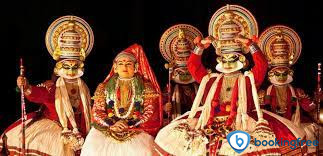
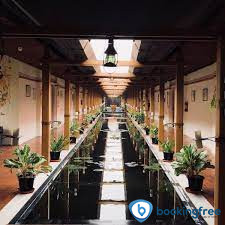
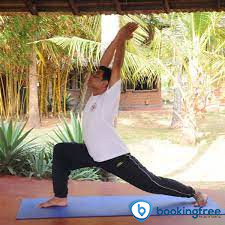
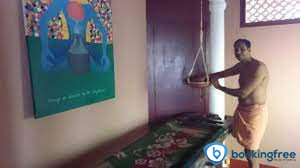
The Greenix village isSituated 8 km from Ernakulam , where various art forms of Kerala are practiced and developed. Every evening witnesses a mixed performance of Kathakali- the dance drama form of Kerala, Kalaripayattu- and a martial art style, audio-visual history at the in-house museum, and Indian classical music in this cultural center.Yoga training is conducted every morning. The office house also has an art gallery, restaurant, curio shop, book shop, and rooms for researchers and trainees.The Greenix Village, once a stockroom for a tea factory built by the Portuguese, has now been restored according to the traditional Kerala architecture. The interiors of the building also house the idol of Natarajan, and a mandapam situated at the far end of the hall gives the structure a temple-like feel. It also has different statues that showcase different art forms. The paintings in the Greenix Village portray the various mudras (hand gestures) and navarasams (nine expressions) important in Kathakali performances. The village also gives a platform for various live dance performances, including Kathakali, Theyam, Kalaripayattu, and Mohiniattam.Timings of the Greenix Village1. The Kalaripayattu timings are as follows:8 AM to 9 AM- Kalarippayattu training & 4 PM to 5 PM- Kalarippayattu performance2. The Kathakali performance timings are as follows:5 PM to 6 PM- Kathakali make-up & 6 PM to 7 or 7:30 PM- Kathakali performance 3. Timings for the Cultural Museum are 10 AM to 5 PM.

Read more
Vallarpadam  In Kochi

Vallarpadam In Kochi

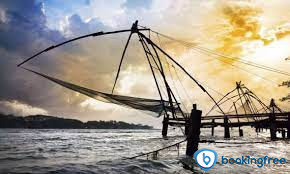
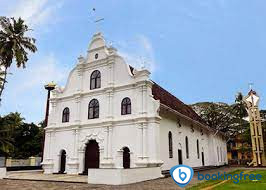
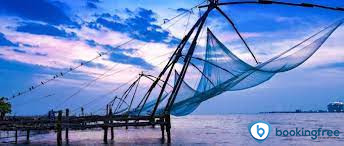
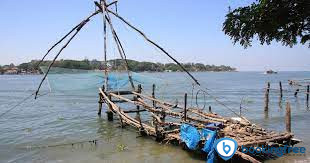
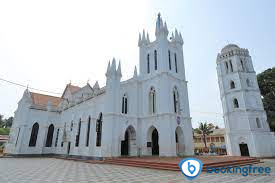
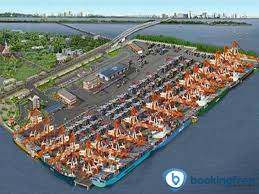
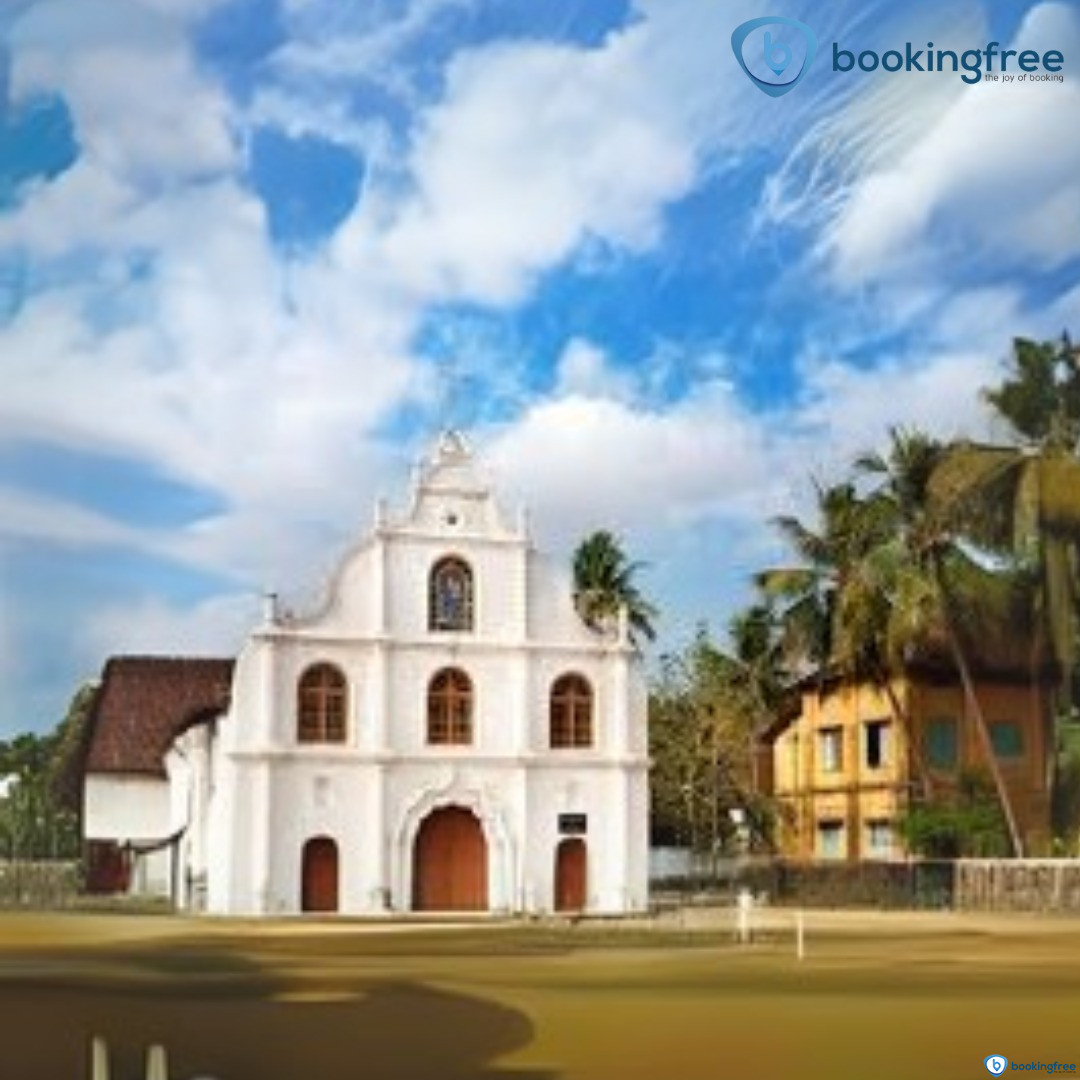
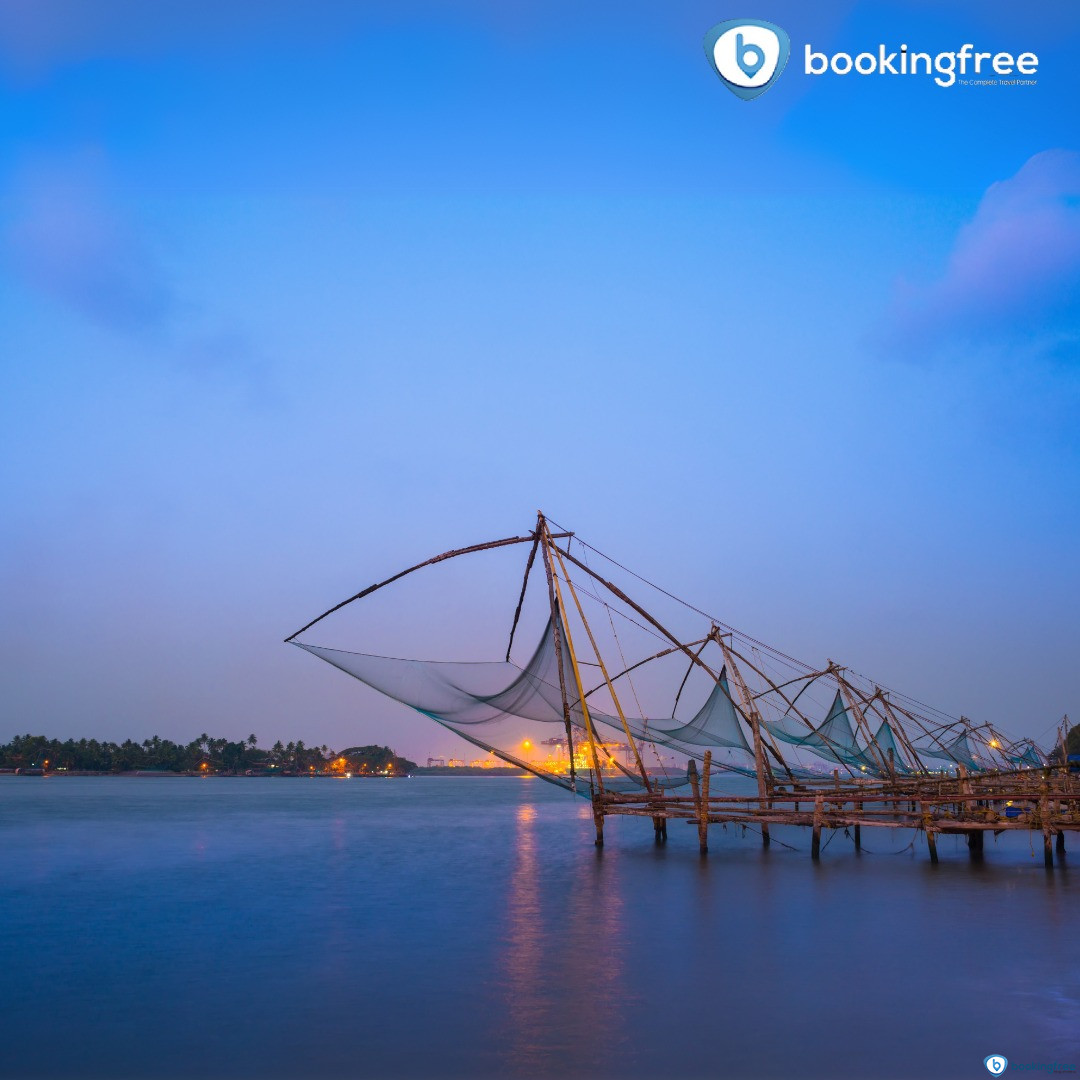
Quietly nestled in the middle of the Vembanad Lake in Kochi, Vallarpadam is one part of the group of islands in the state of Kerala- one being Willington Island. Vallarpadam is hustled near the Port of Kochi; the island only has a limited population of around 10000 people. Considered one of the region's most beautiful and scenic places, the town is mostly famous for the Basilica of Our Lady of Ransom, known as the Vallarpadam Church.Surrounded by beautiful paddy fields, the tourists are also intrigued by the large number of fisher folks that occupy the region, fishing being the major occupation. There are several ships and Valakettu fishing nets found in the ports of the lake, which draws a large number of tourists. Besides the church, there is also a famous Bhagavathy Temple, a popular pilgrim center of devotees, and is visited by tourists and devotees alike.Vallarpadam Basilica in VallarpadamVallarpadam is not only an important religious site but also a popular tourist attraction on the island of Vallarpadam. Boasting pearly white External parts, the Portuguese built the church in 1524. Dedicated to the Holy Mary or Vallarapadath Amma (as she is locally called), the highlight of the church is the image of the Virgin Mary that is housed in the center of the basilica.Best Time to Visit:Although any time of the year is considered suitable to visit the tiny island, there is an annual festival held at the Vallarpadam Churcharound September 24for a week. The church and the entire island are lit up in bright lights, and the festival is a grand affair. It will be considered most ideal for visiting the island during this time.
Read more