Mysore palace
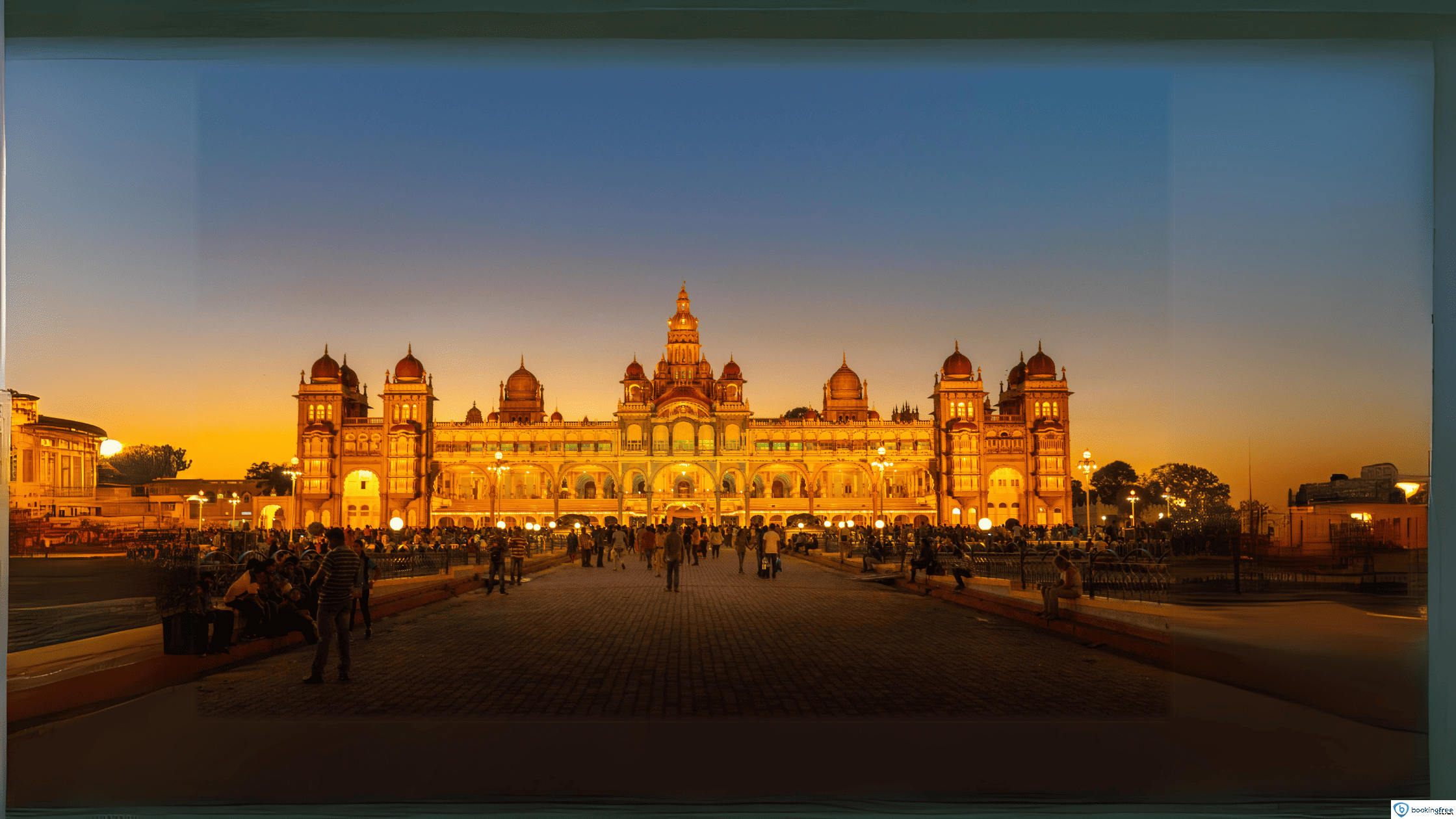
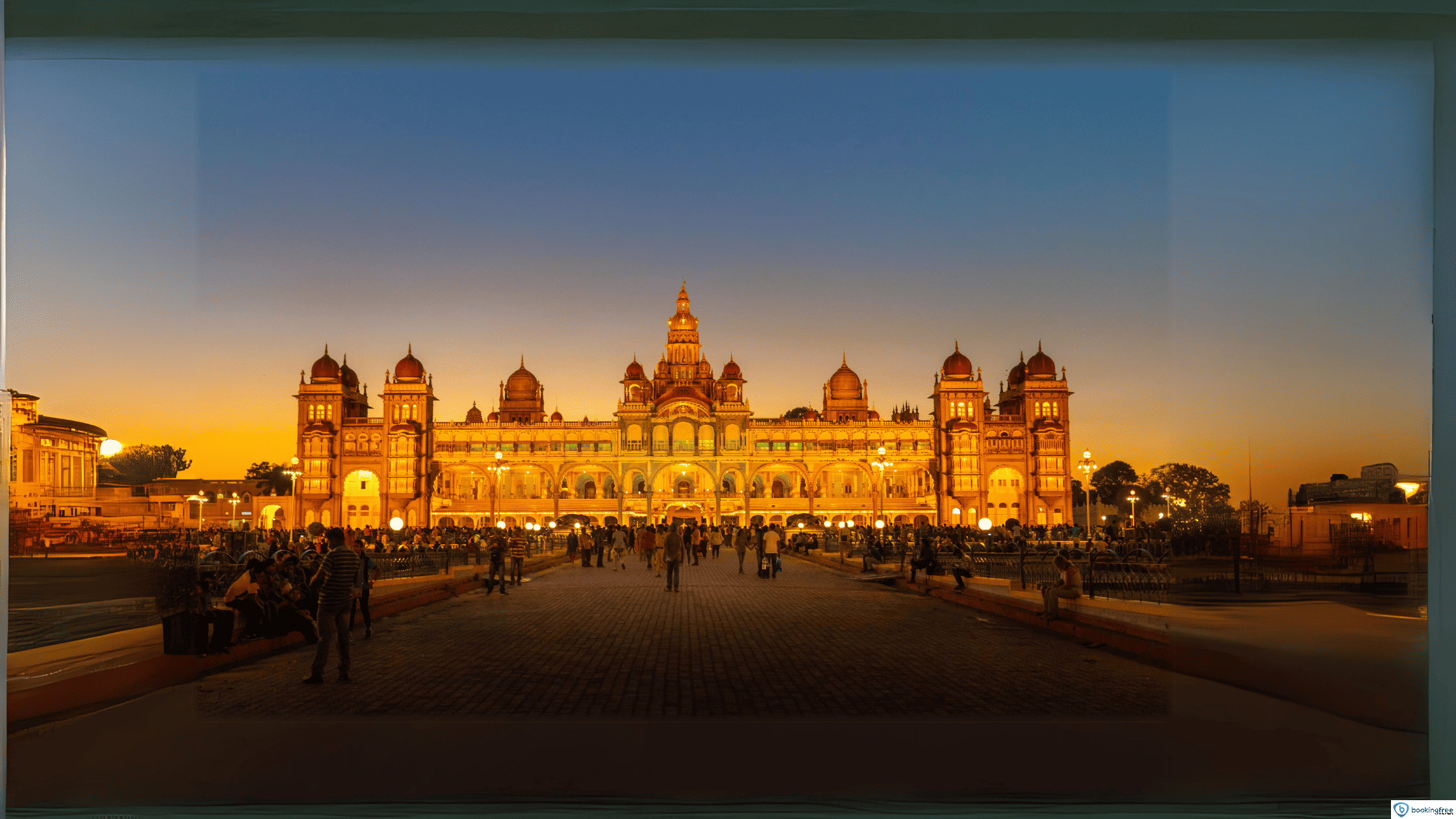
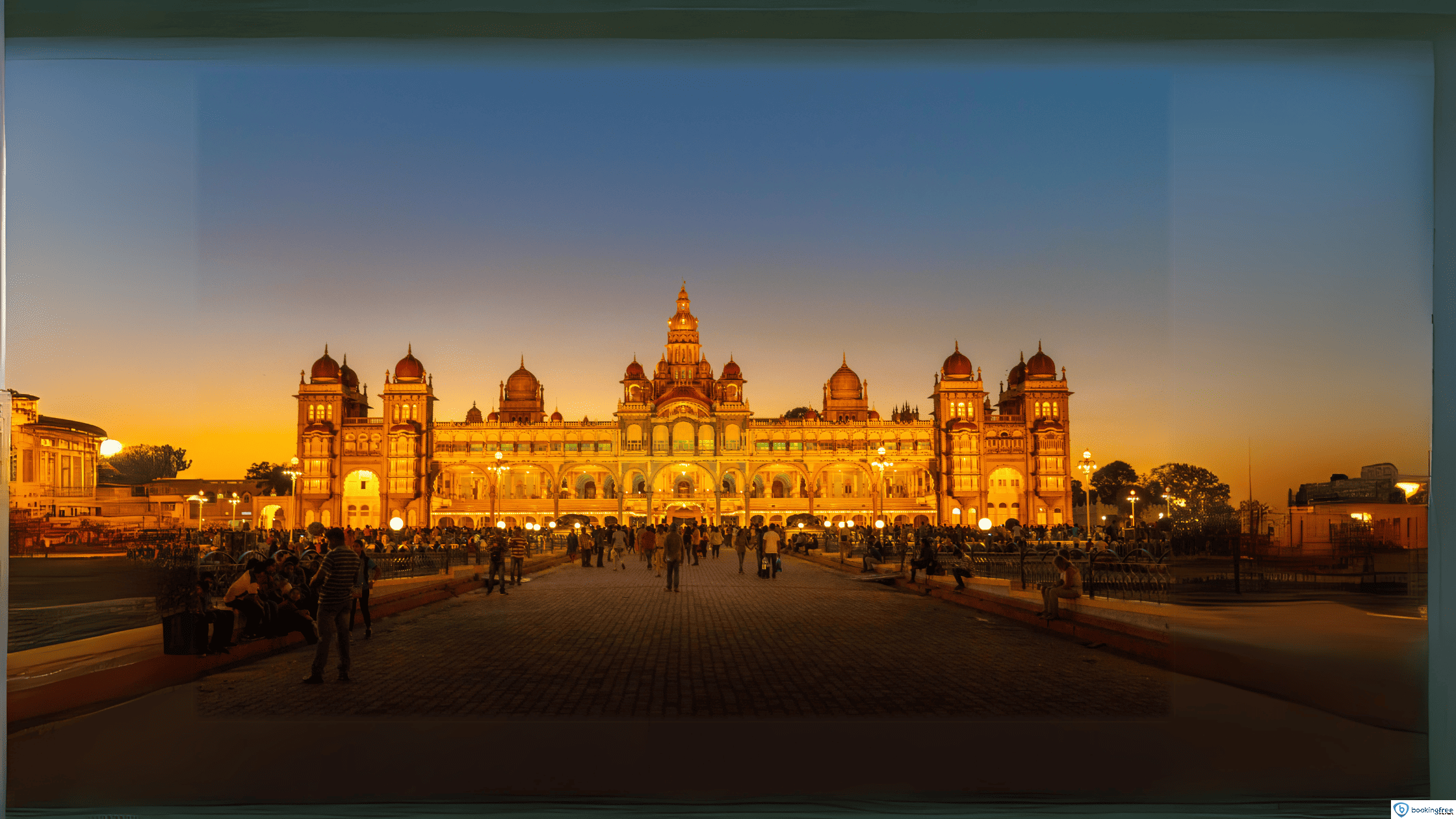
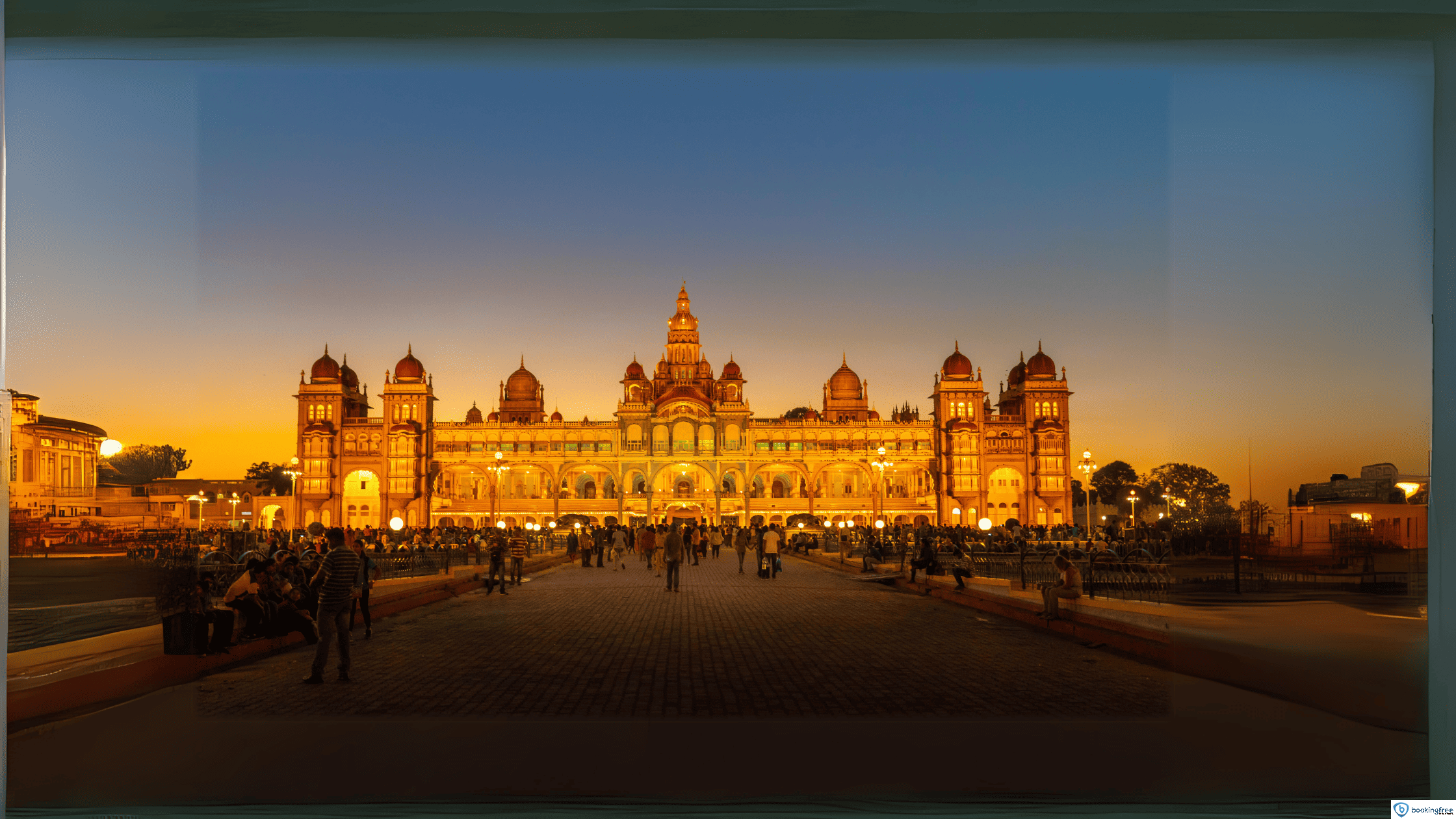
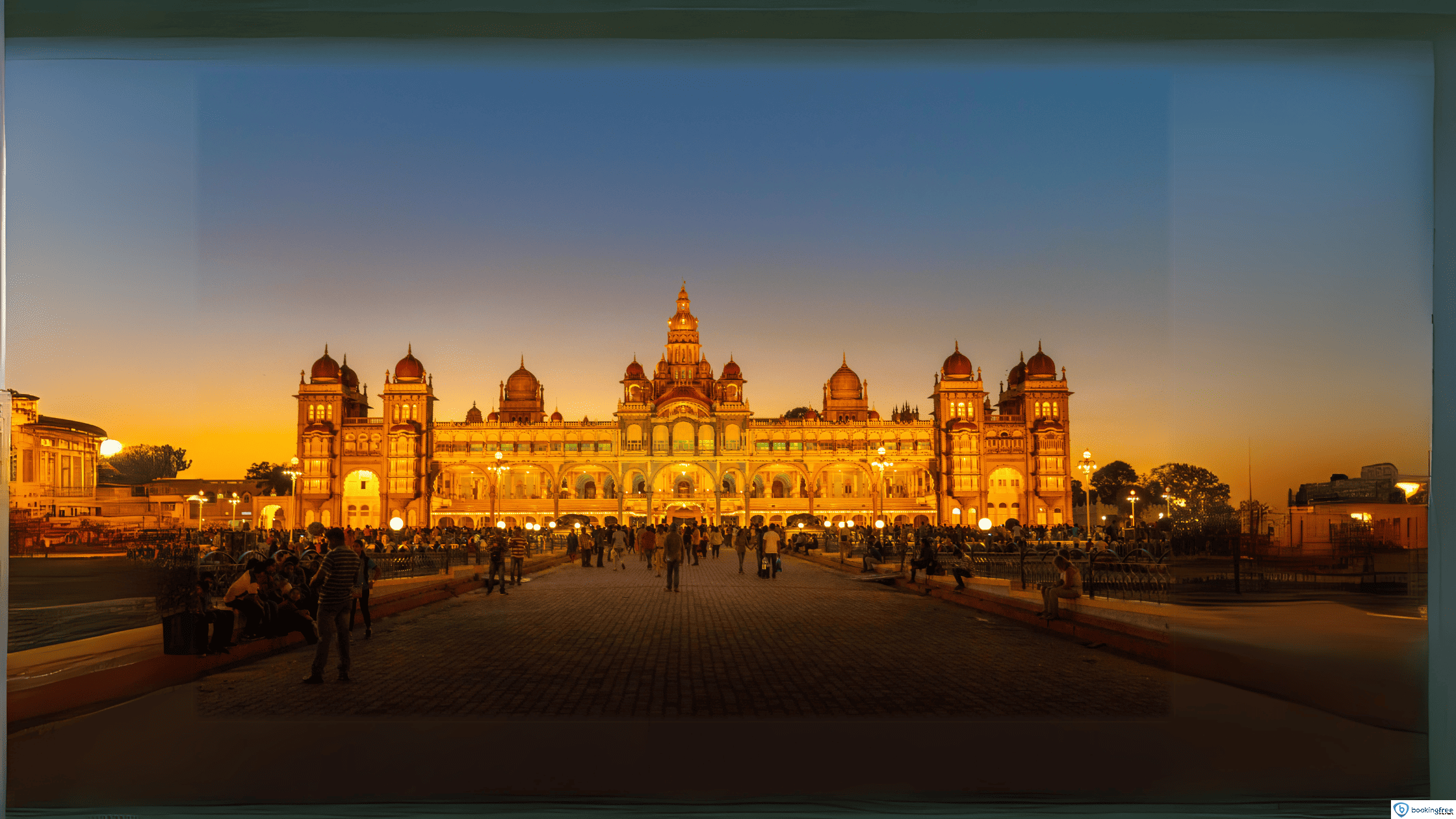
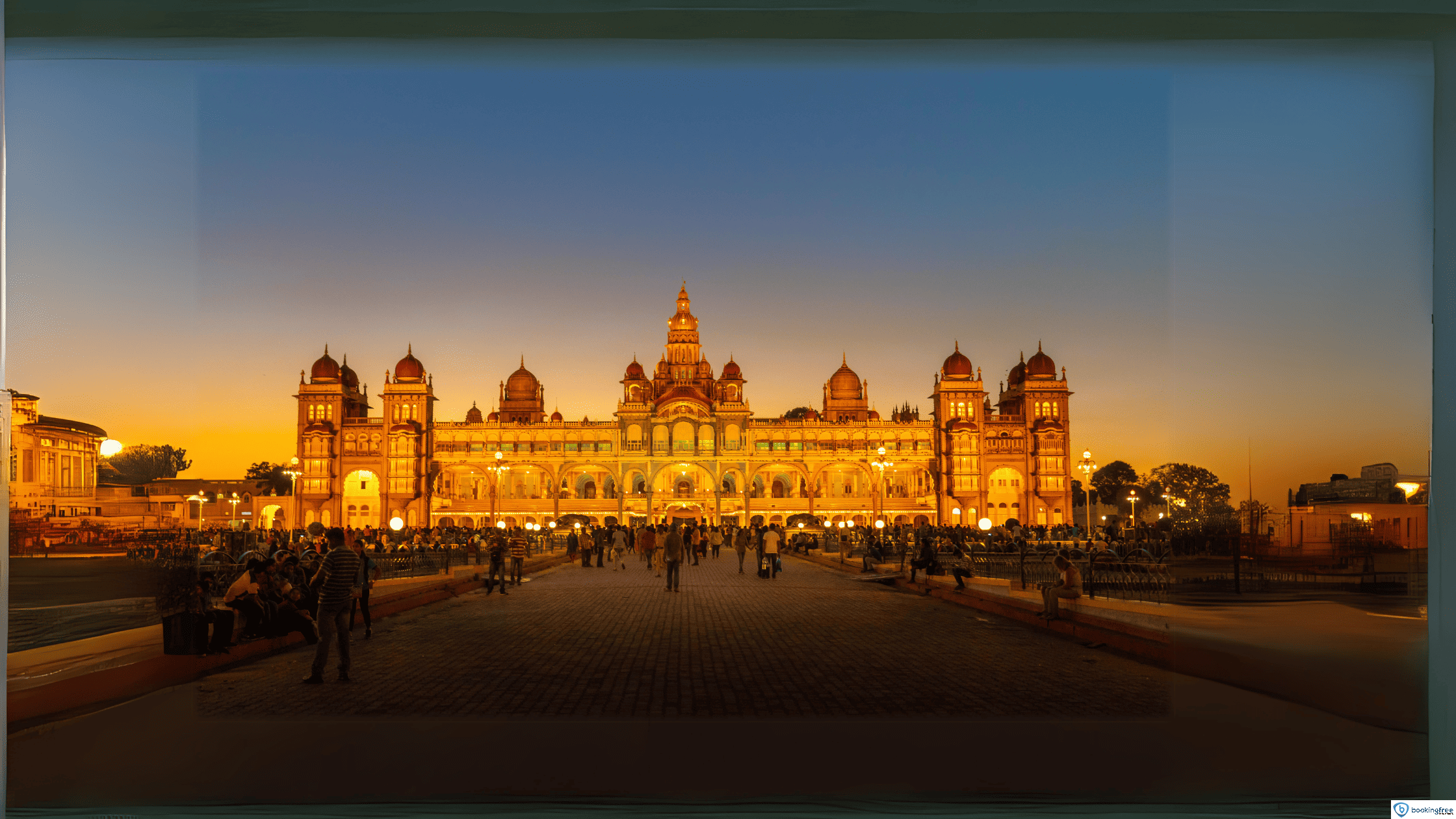
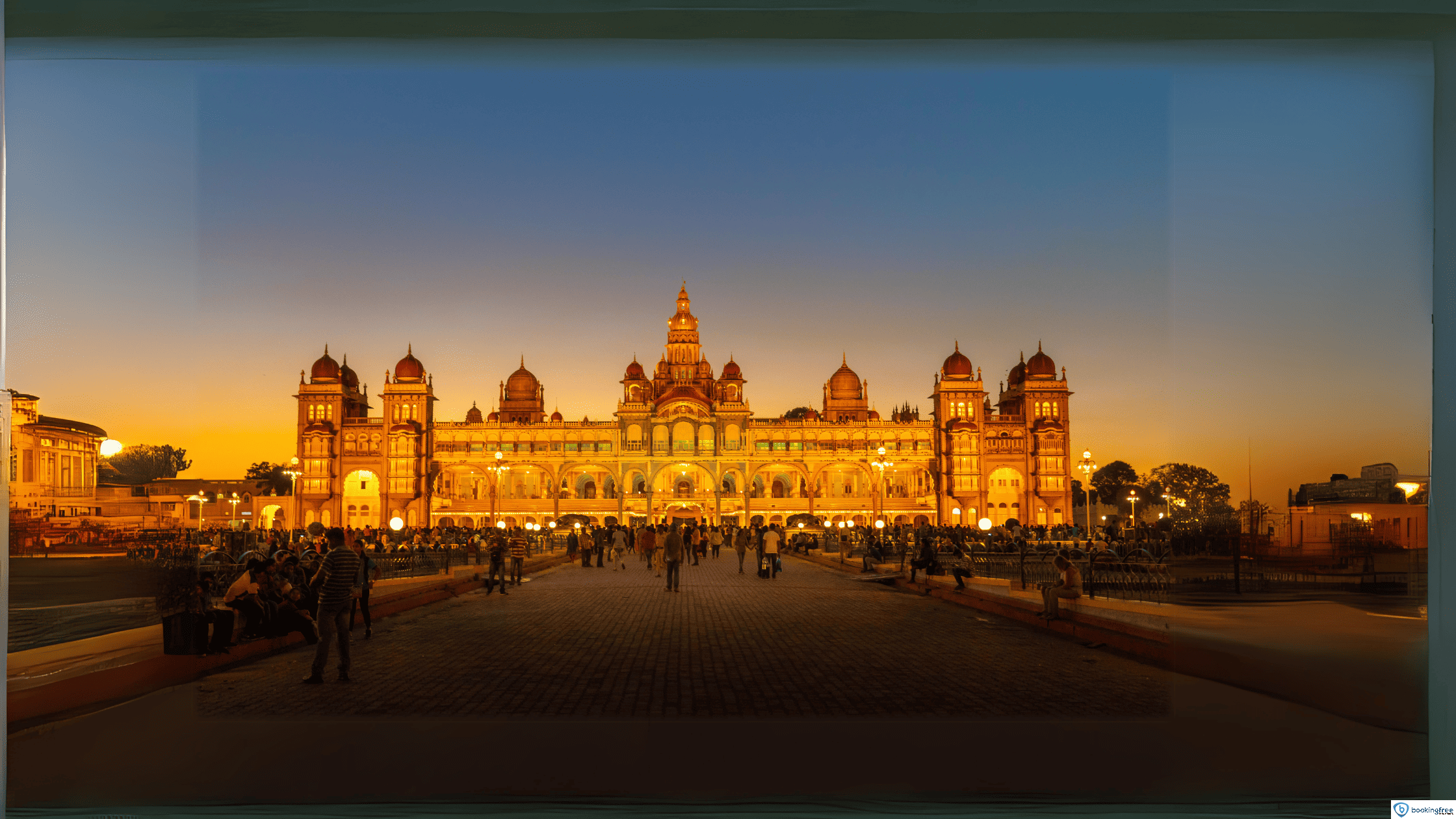
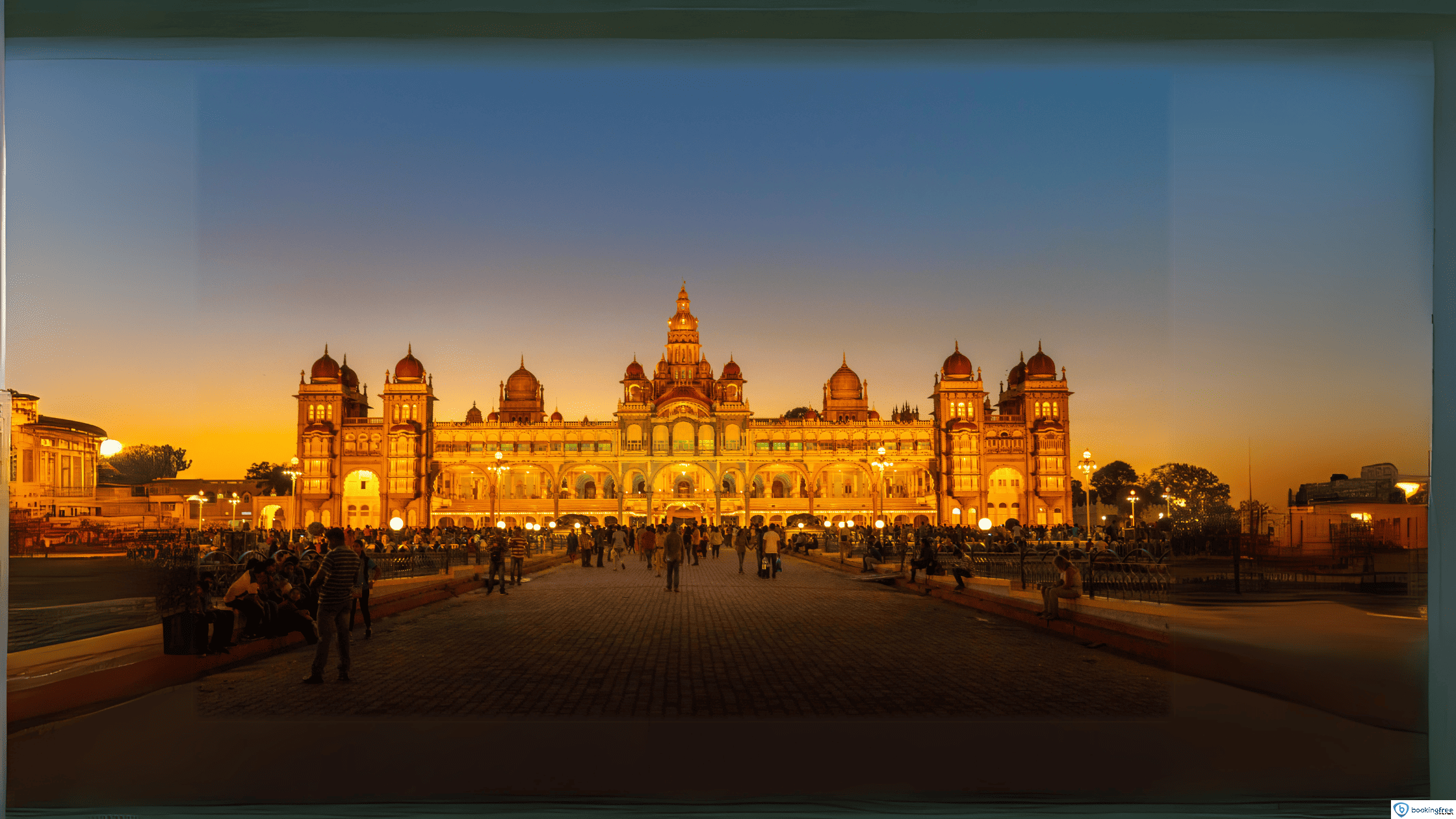
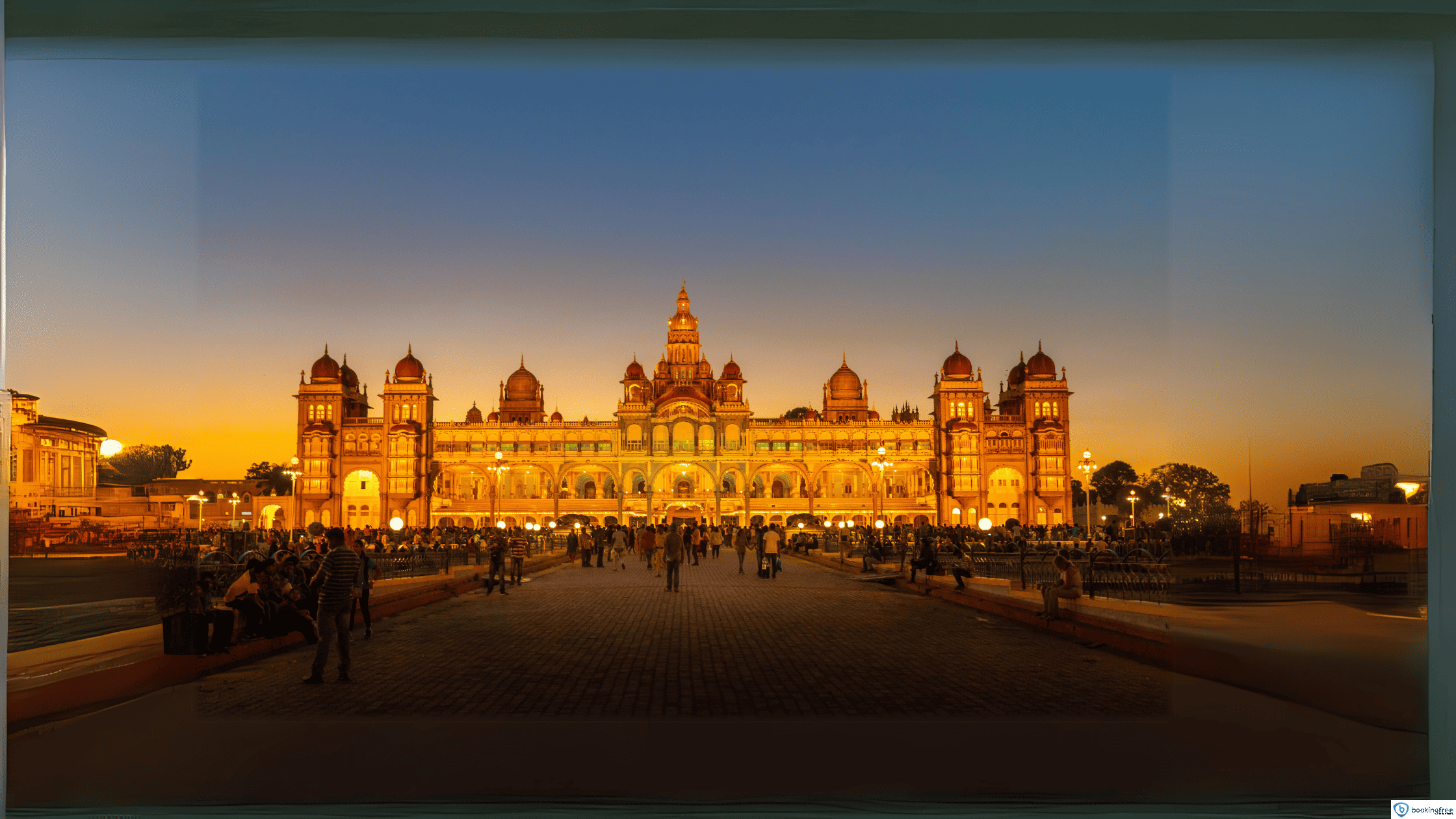
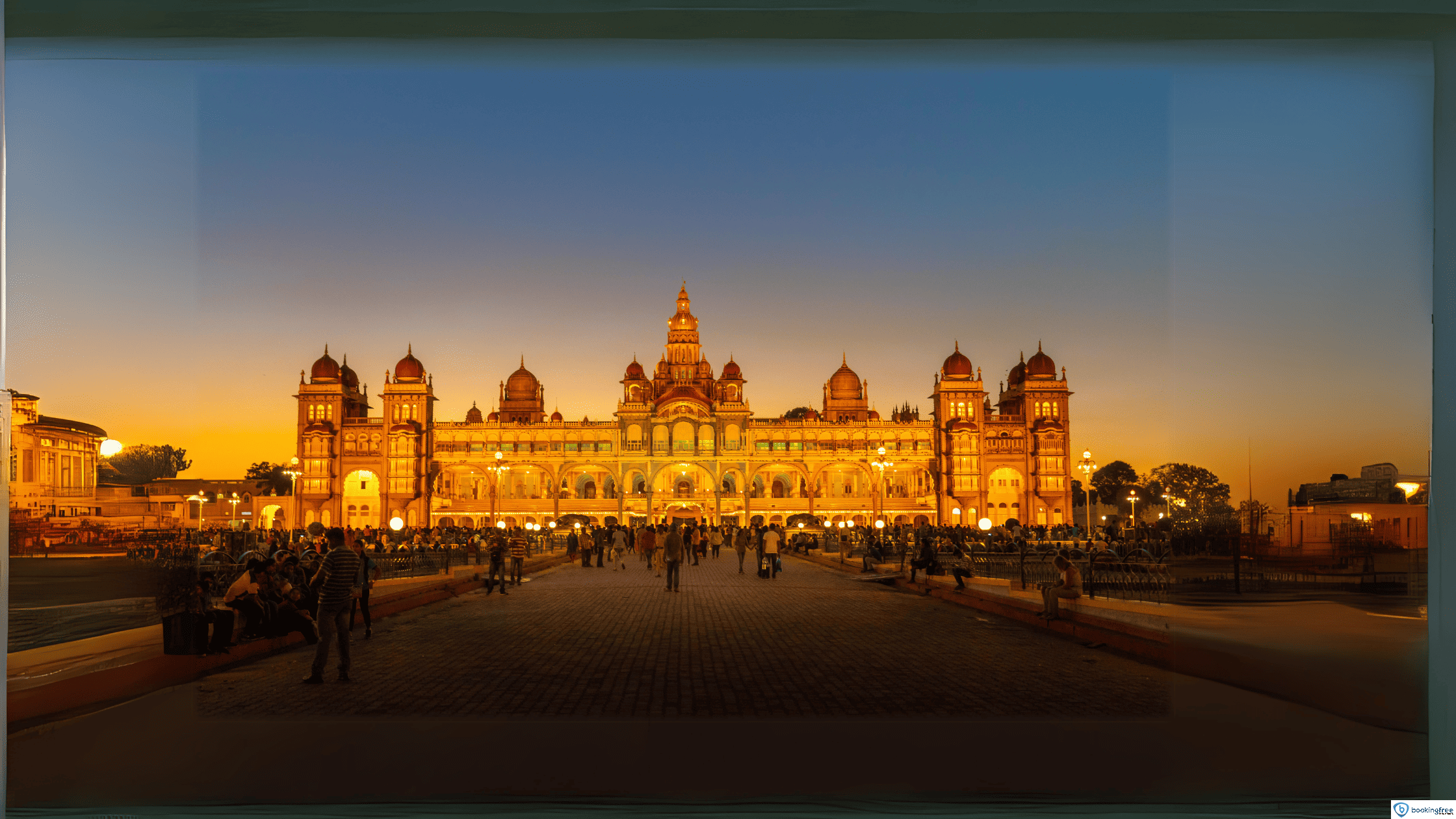
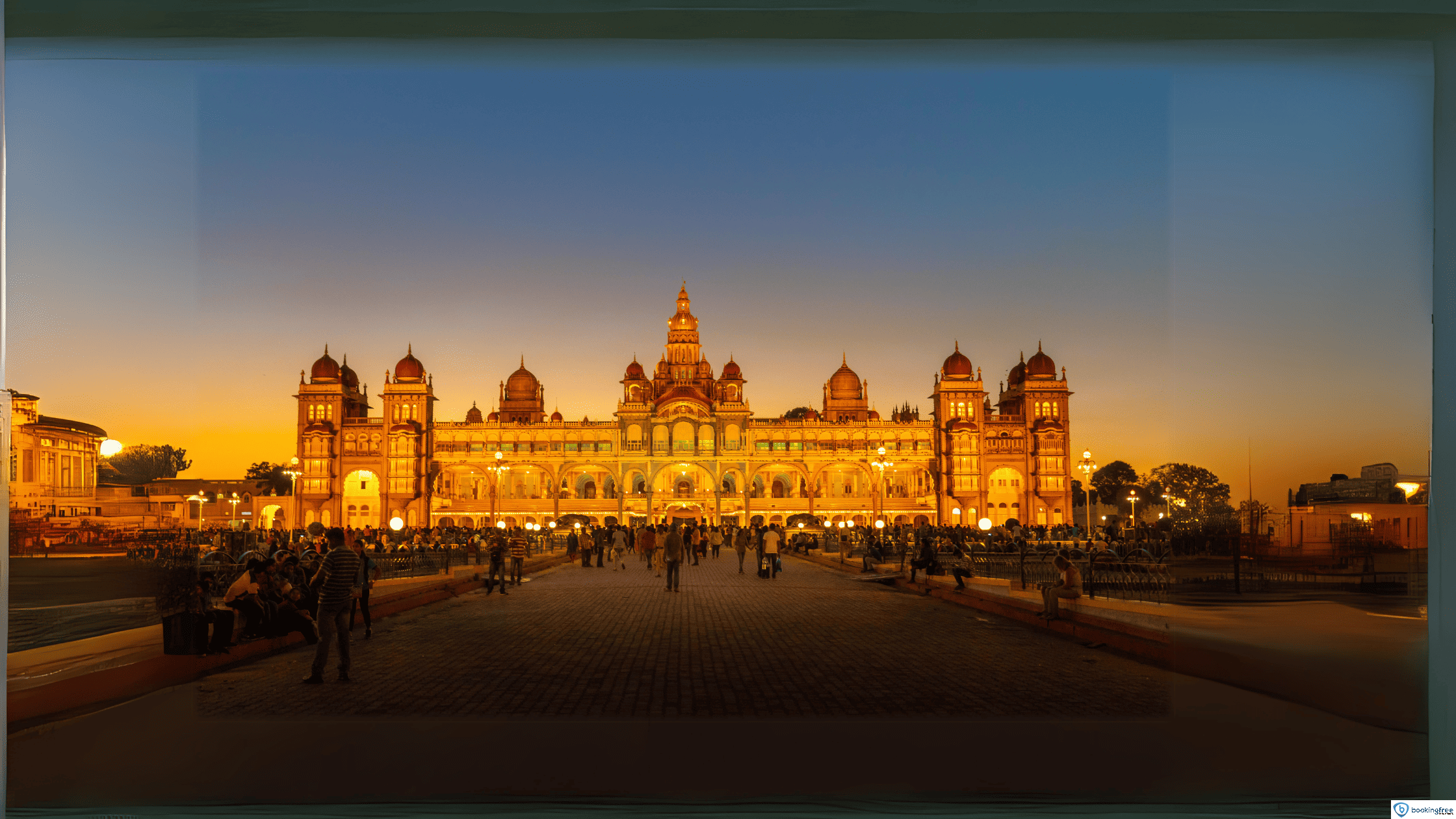
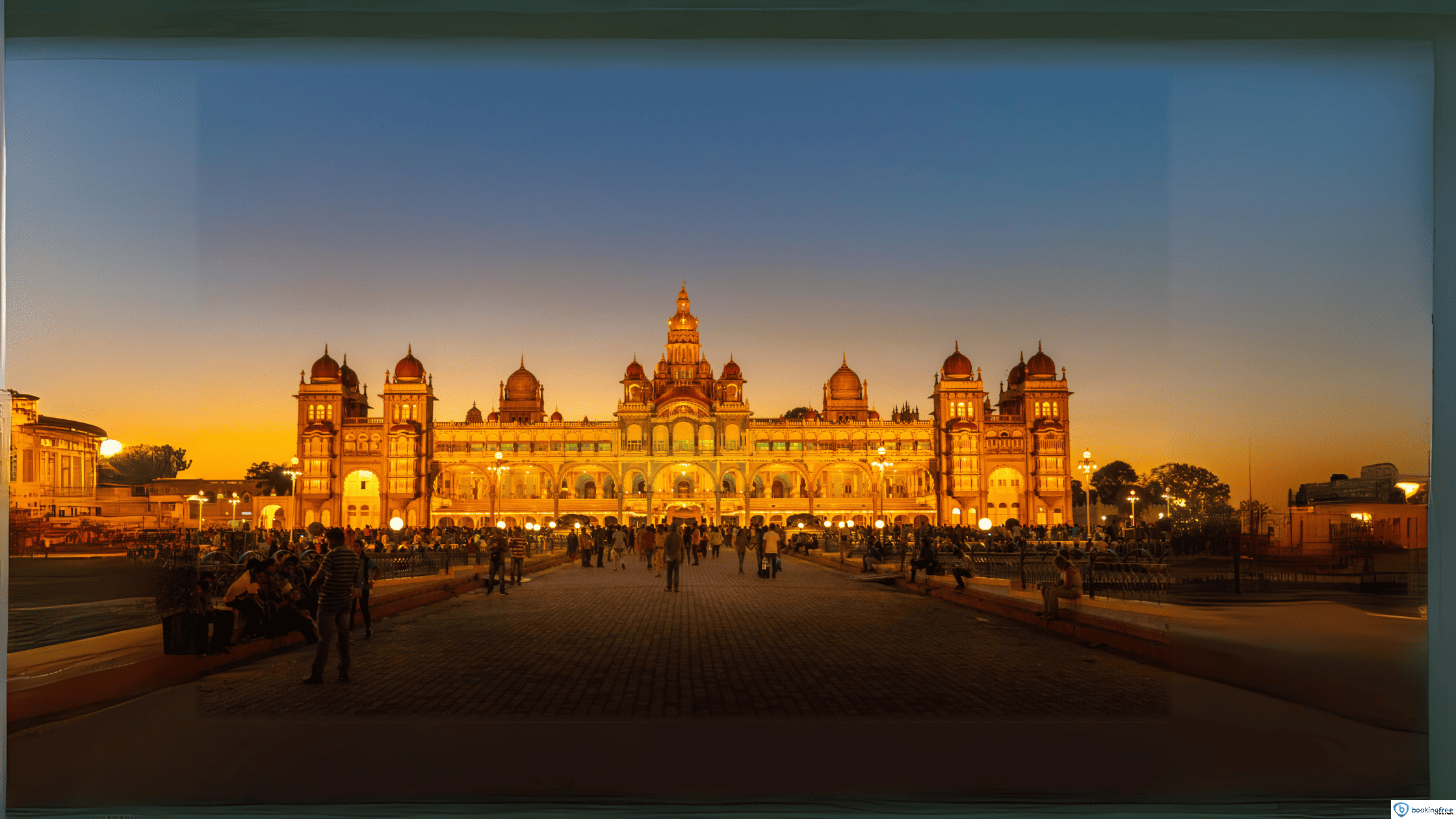
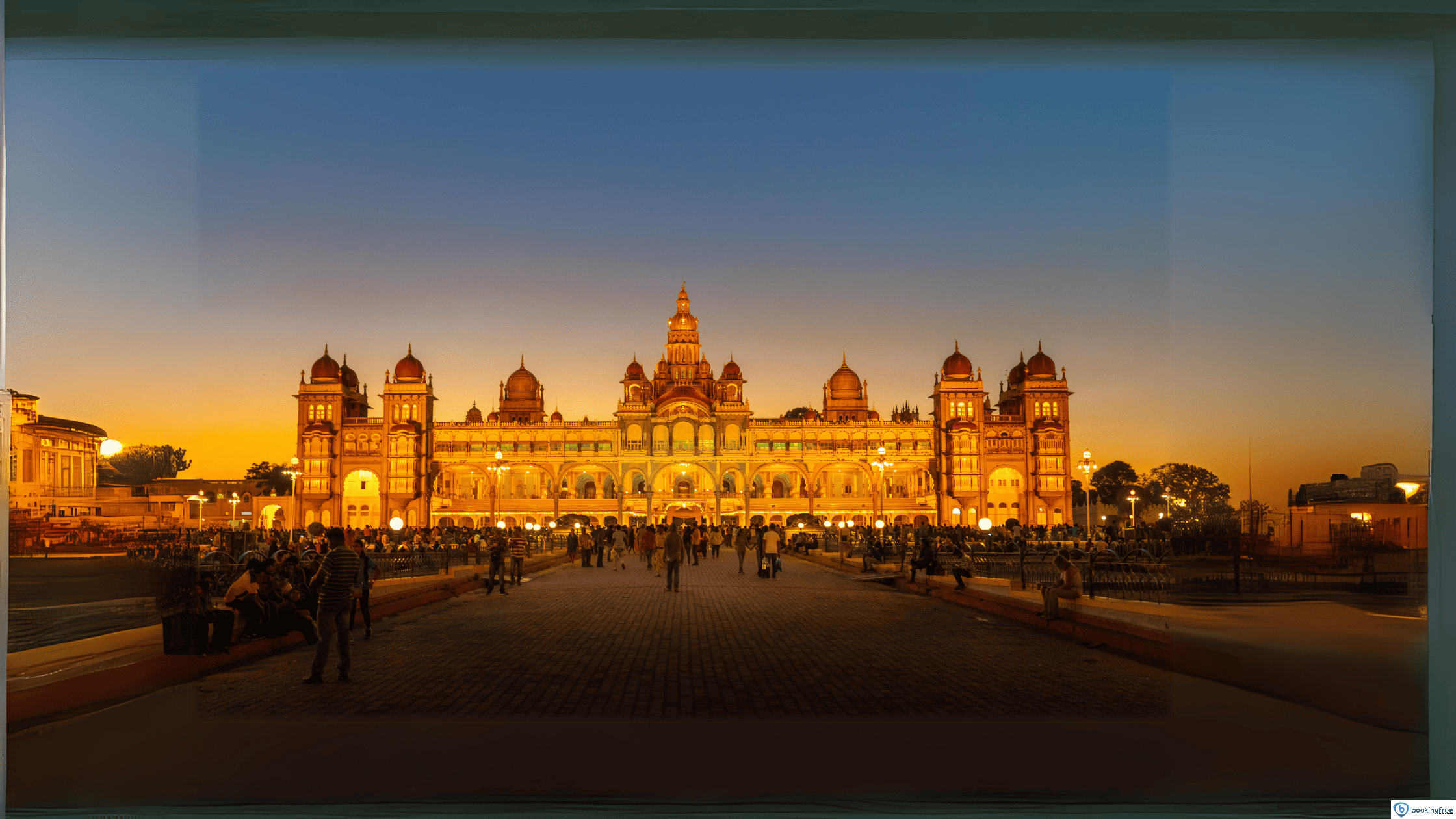
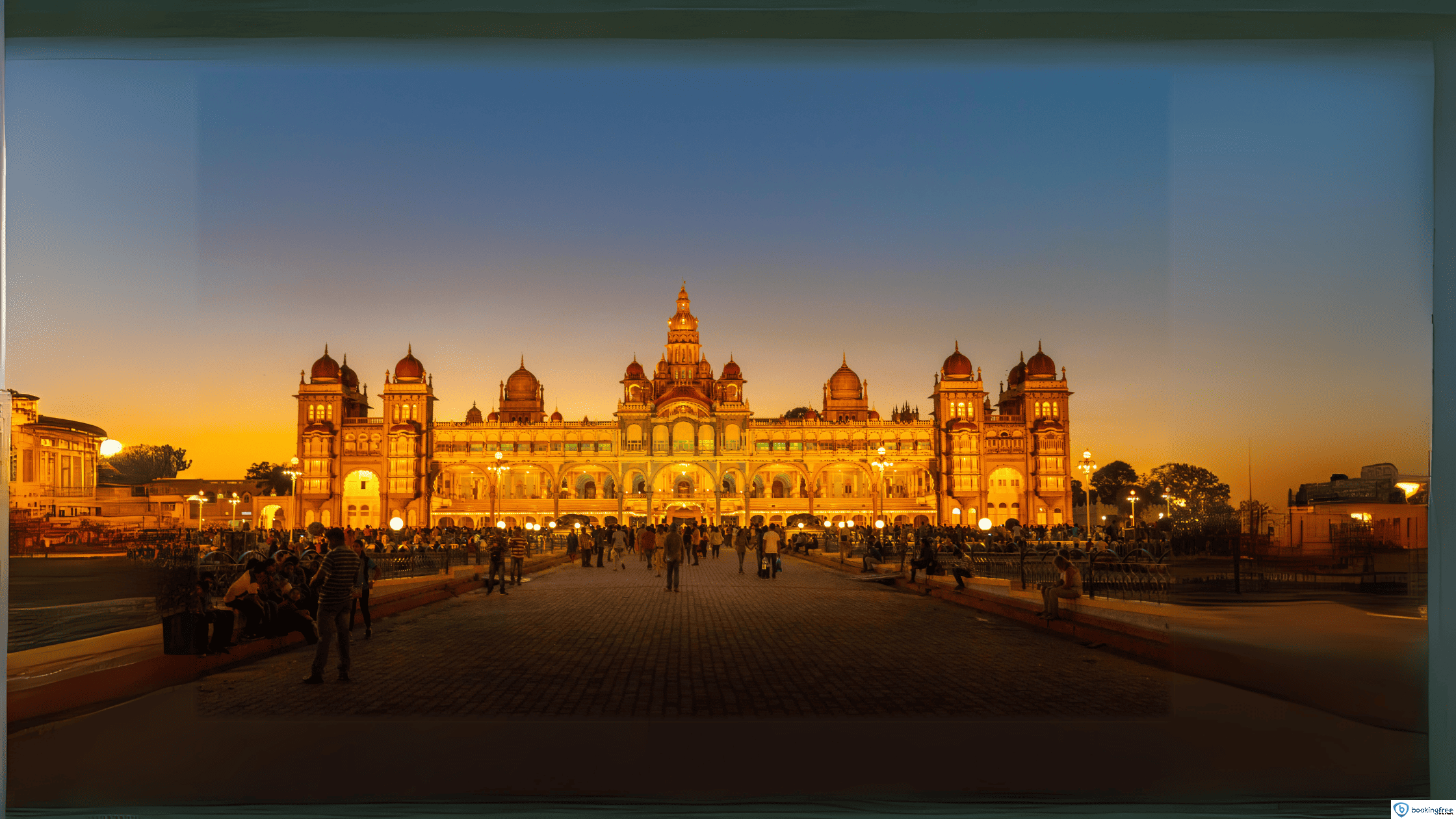
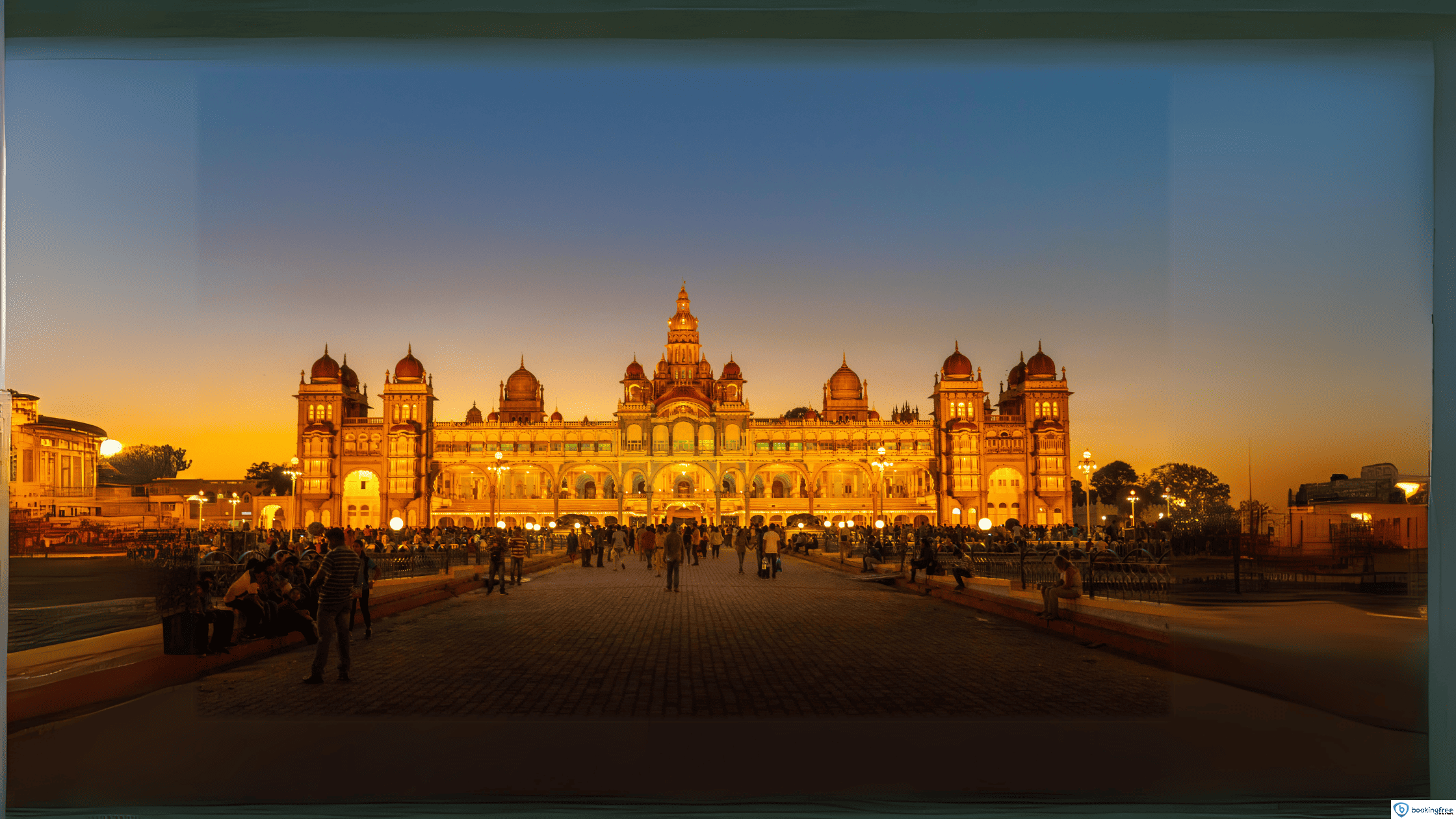
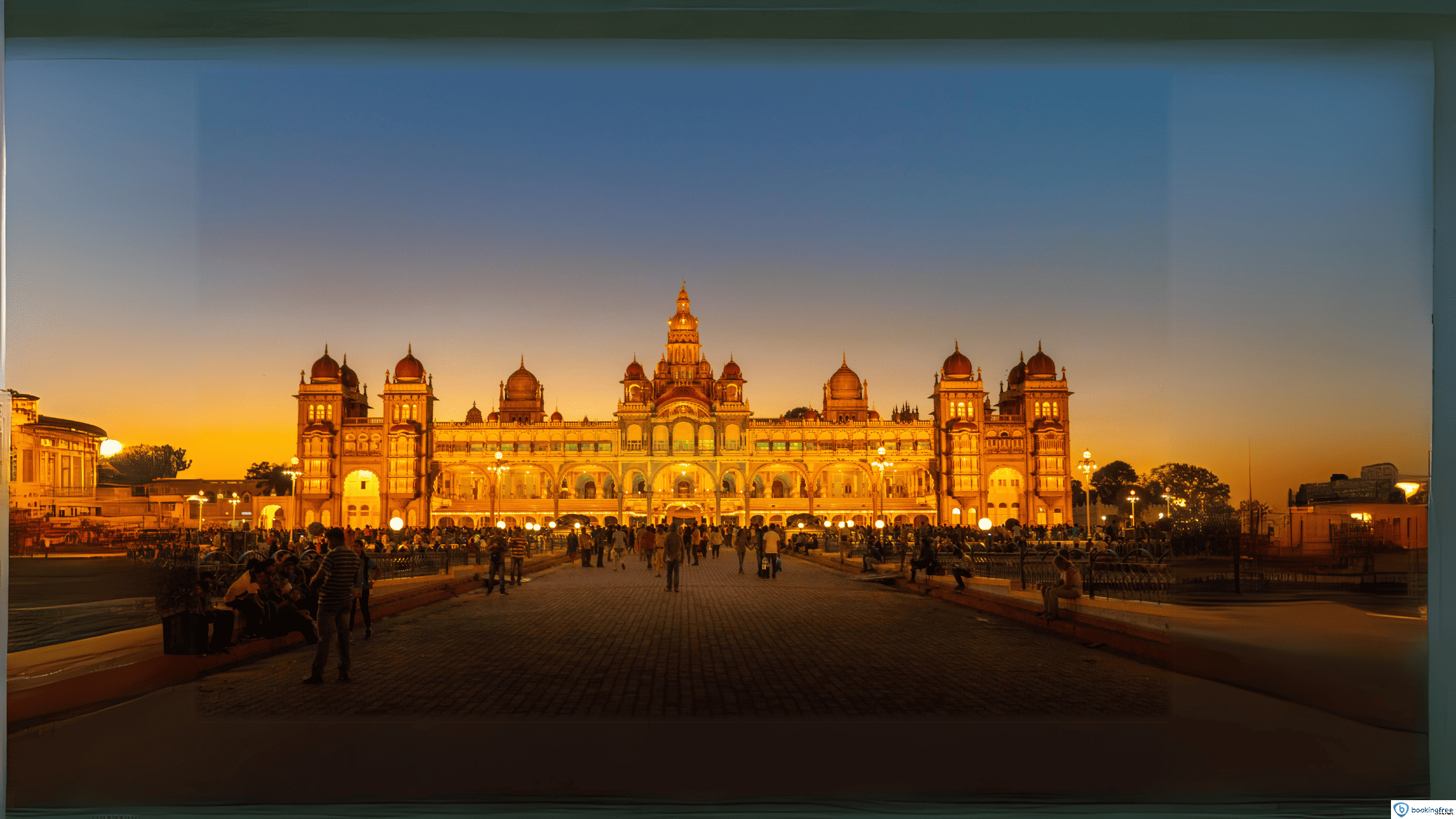
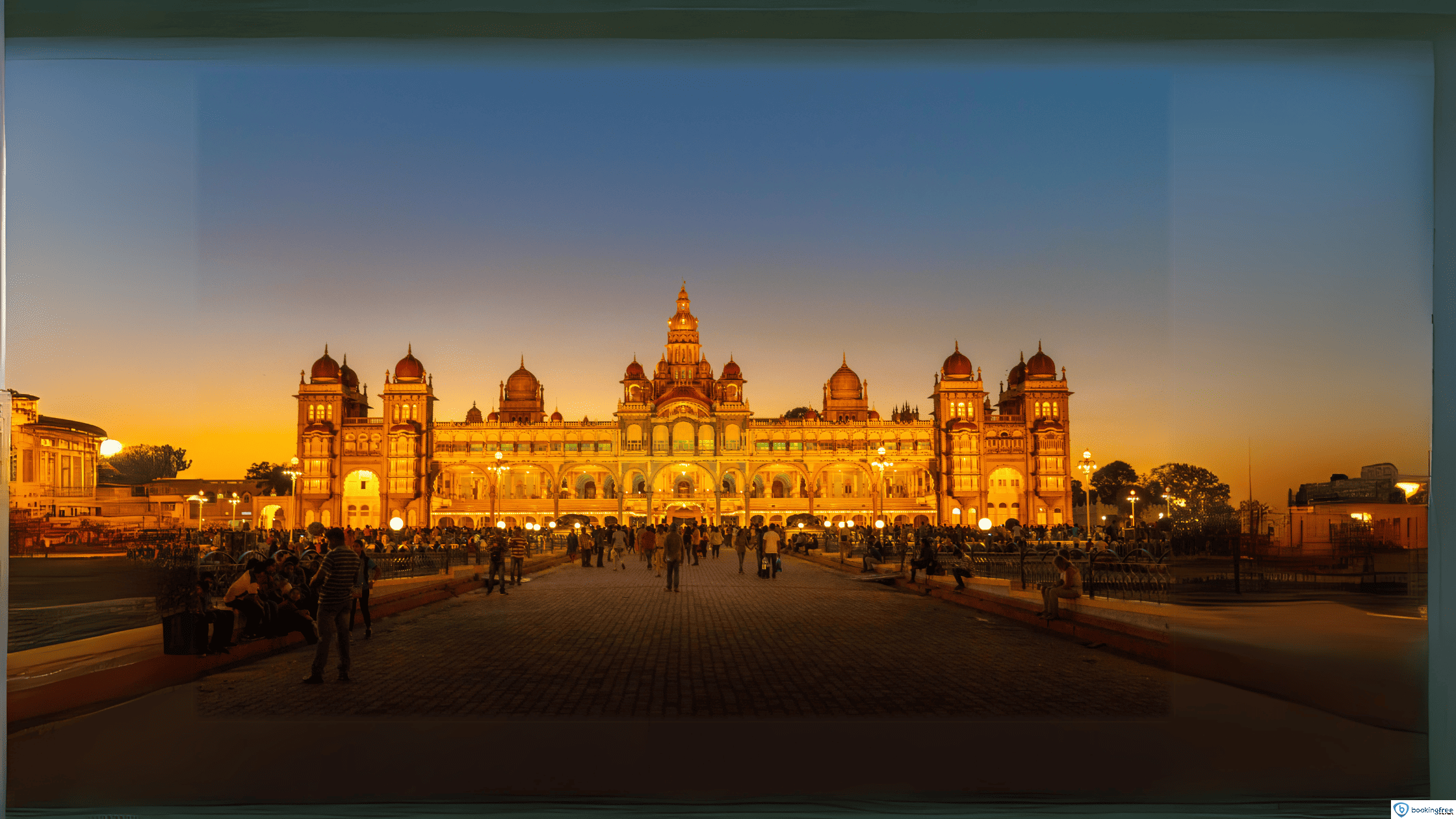
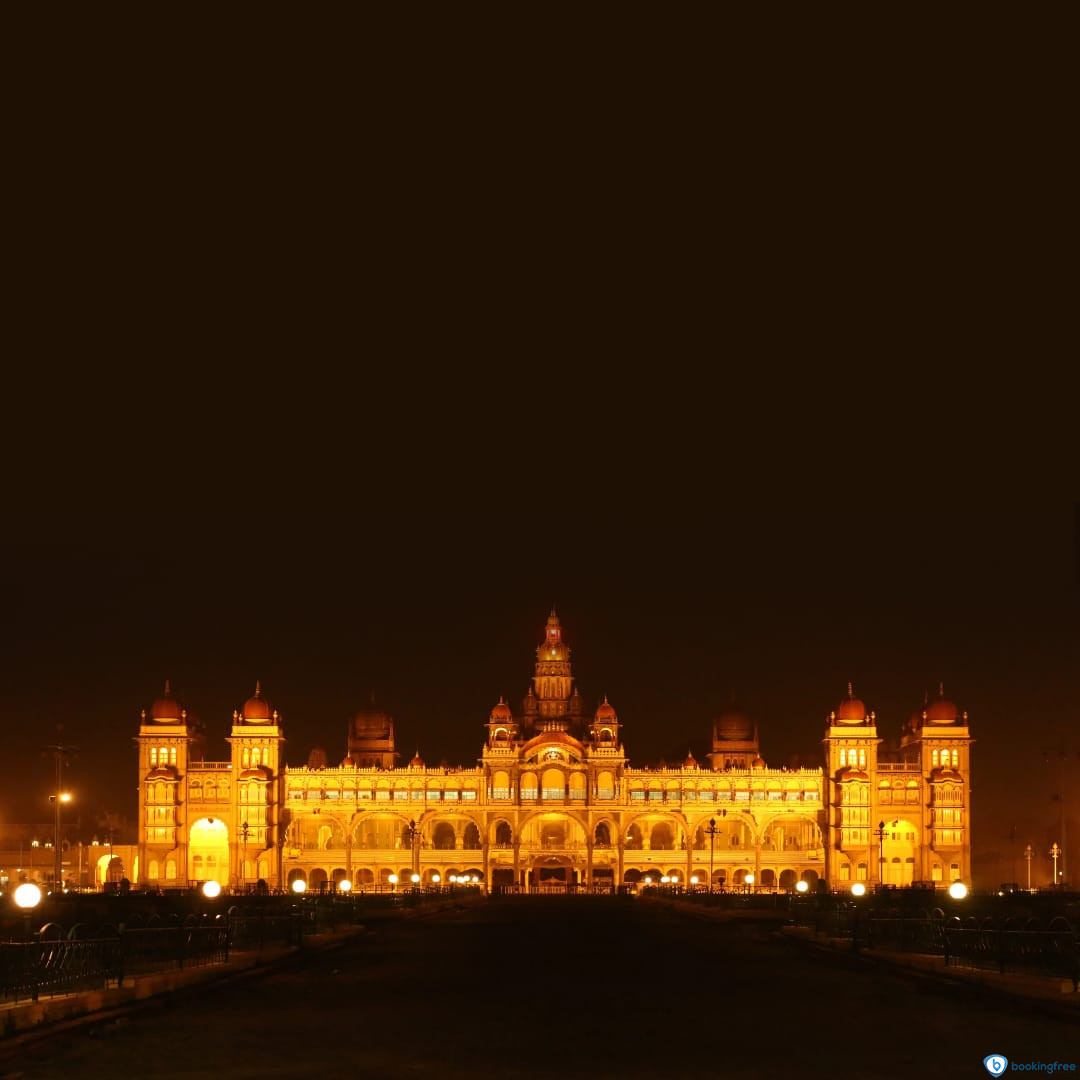
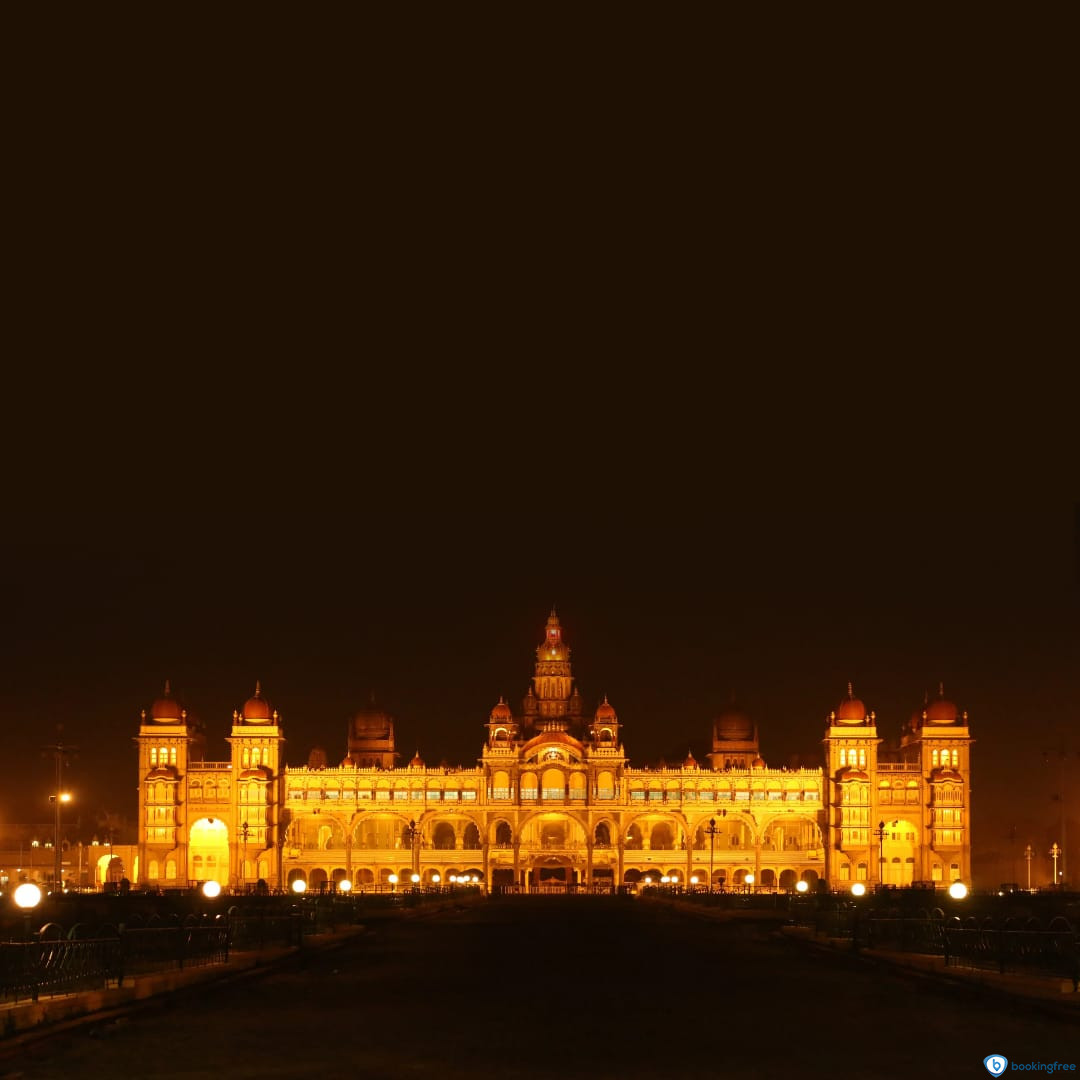
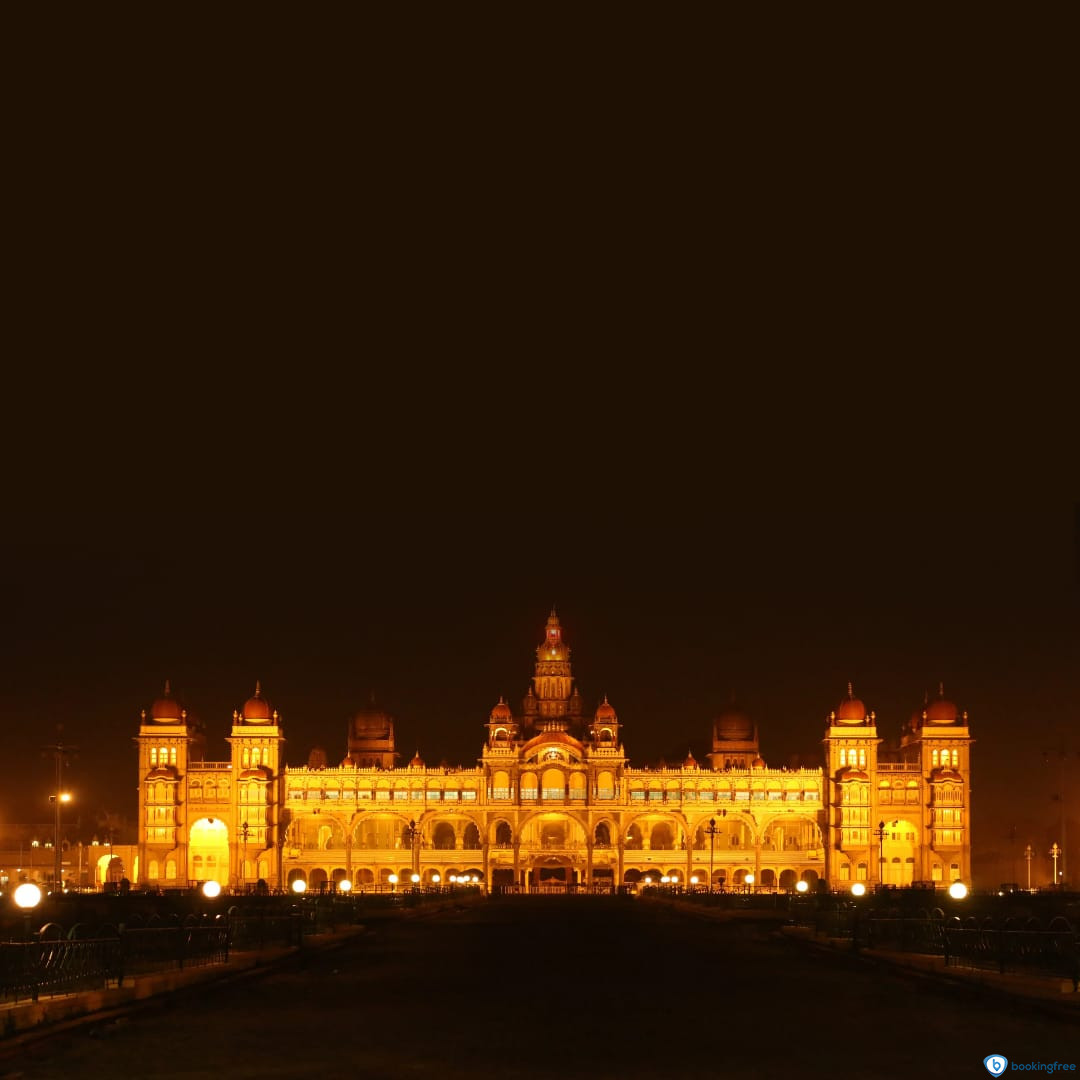
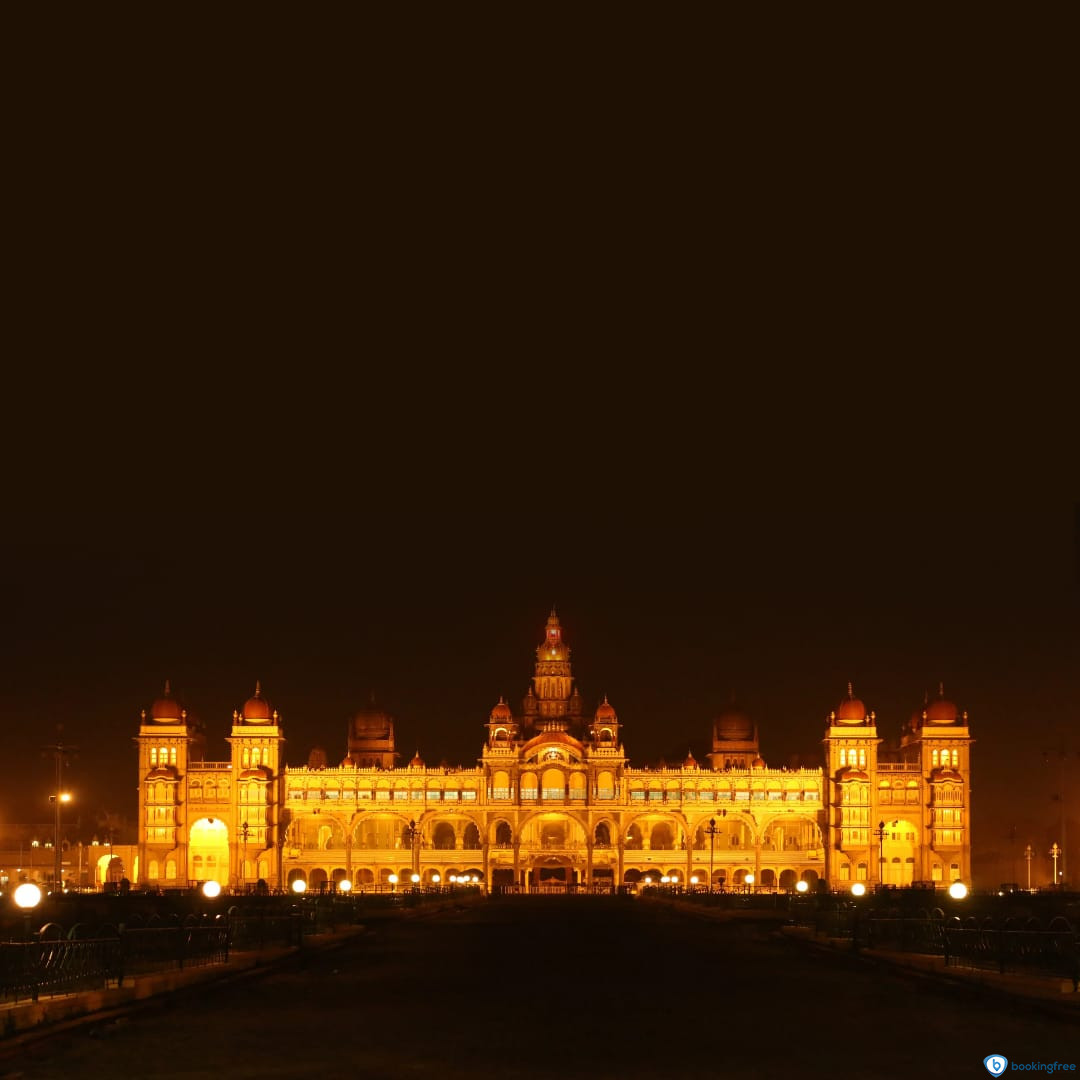
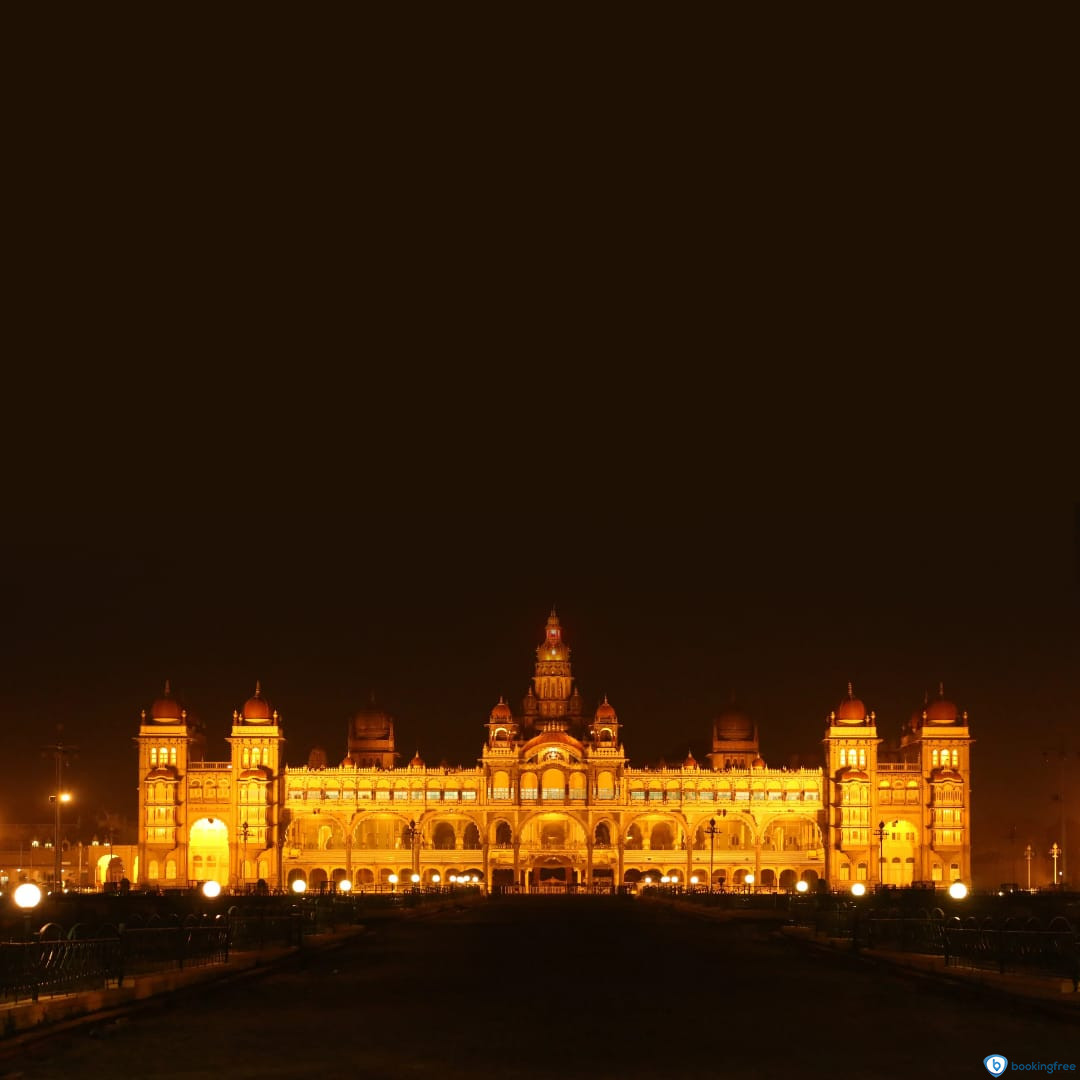
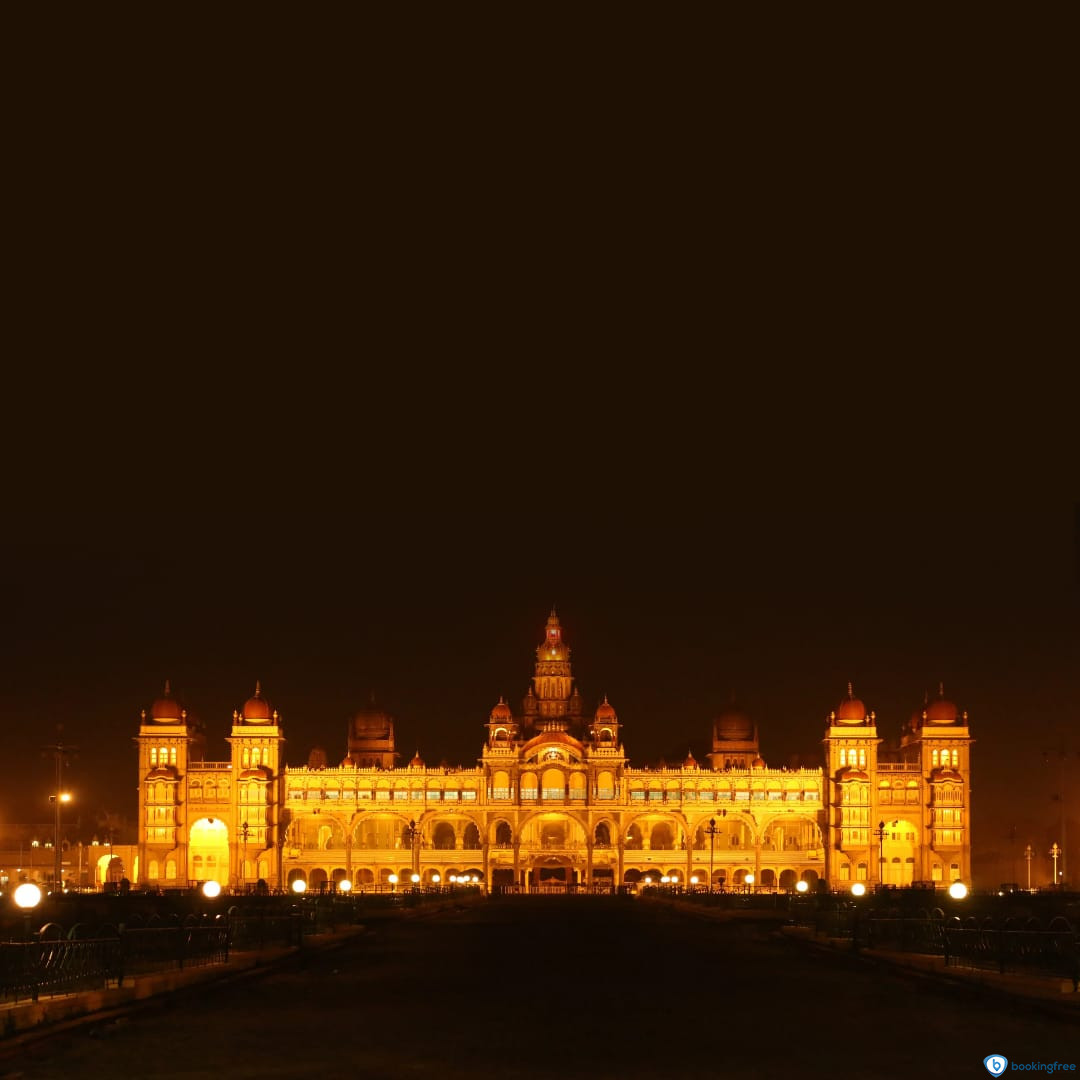
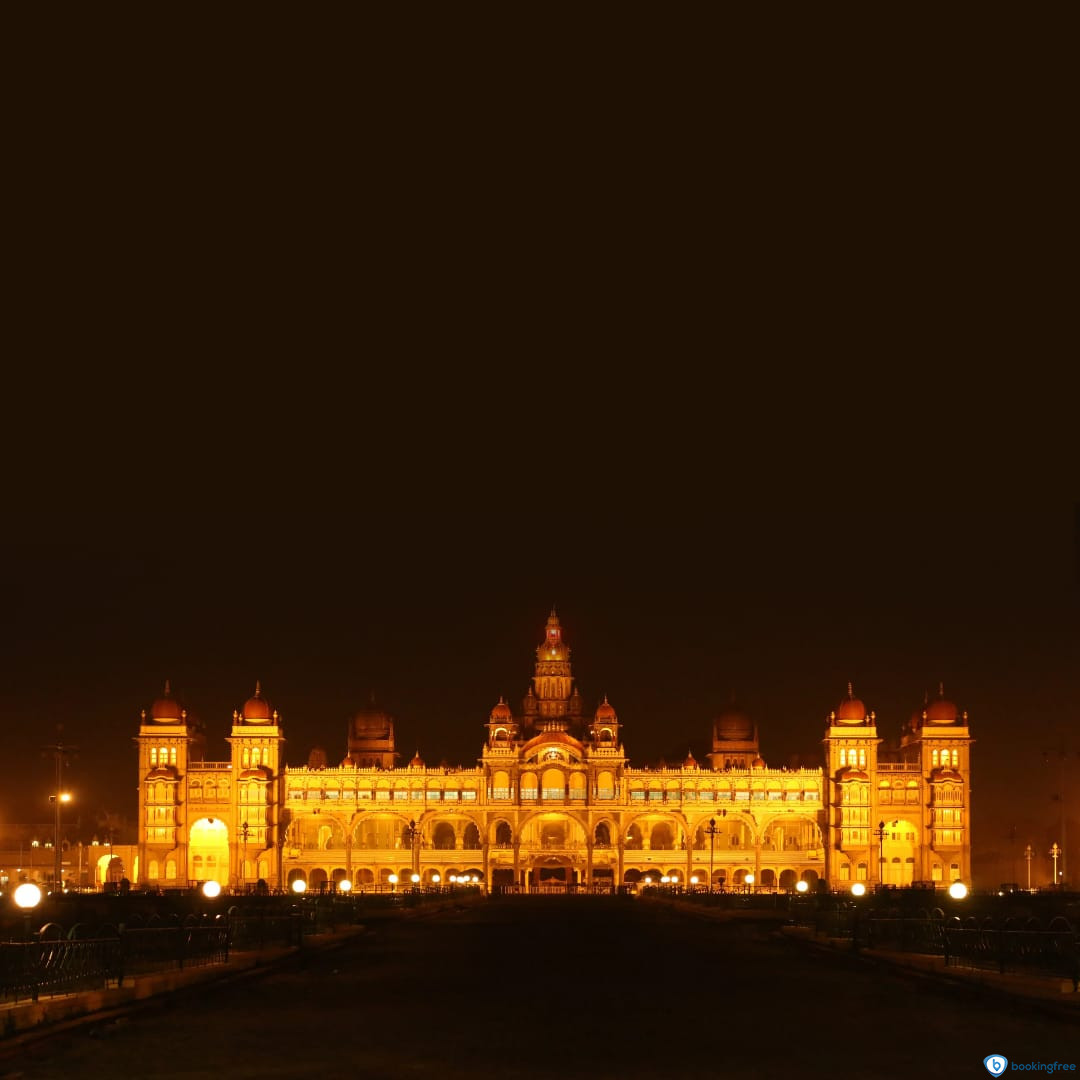
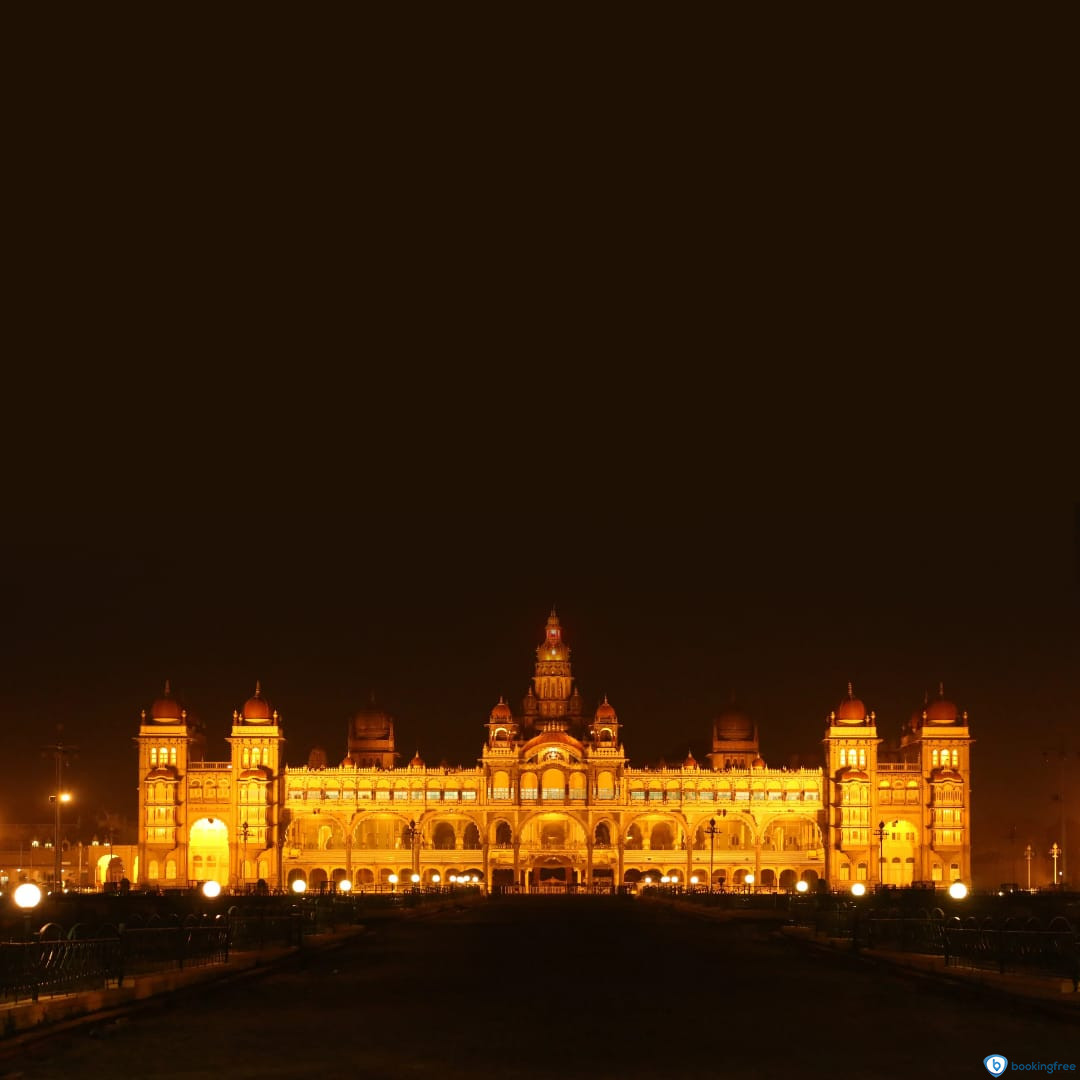
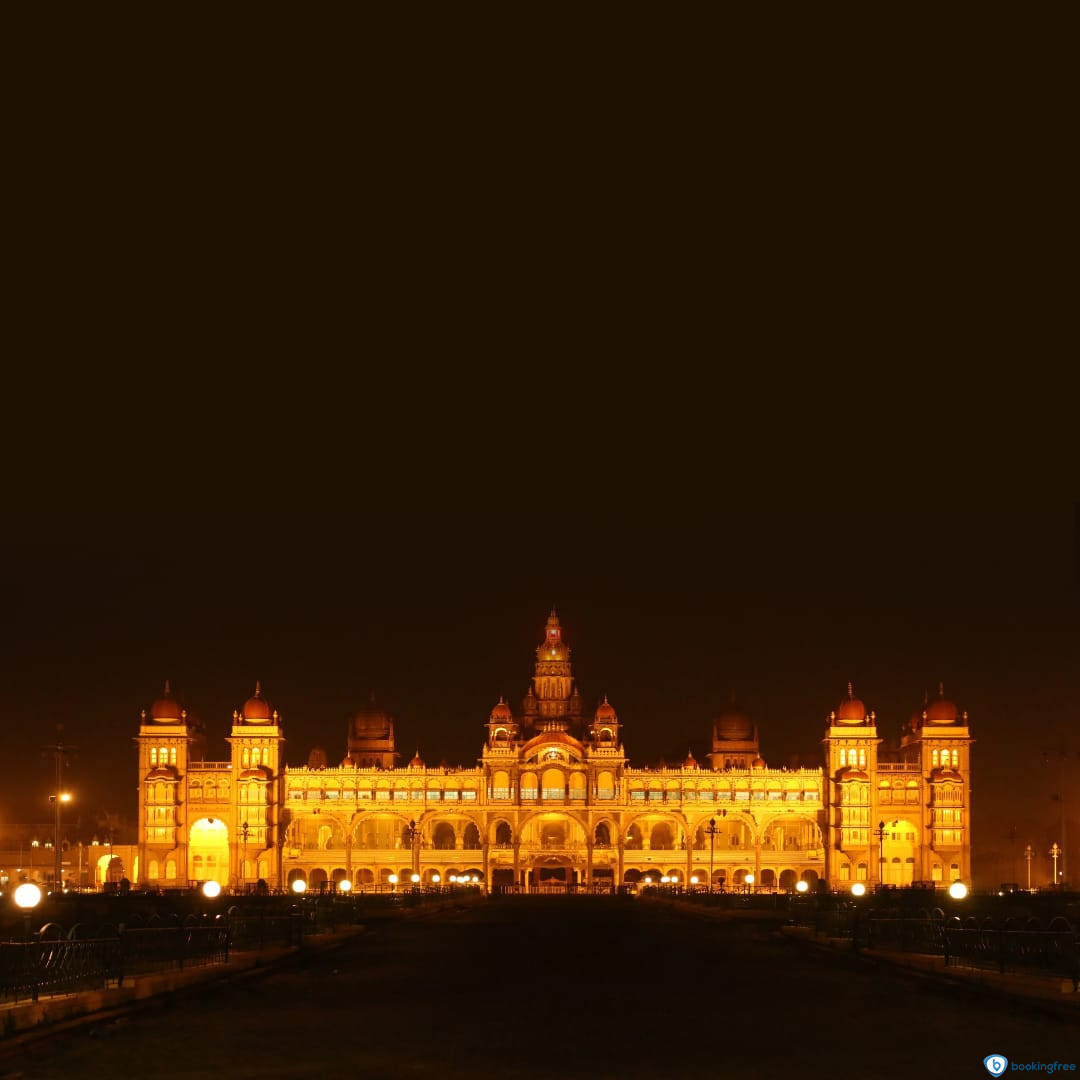
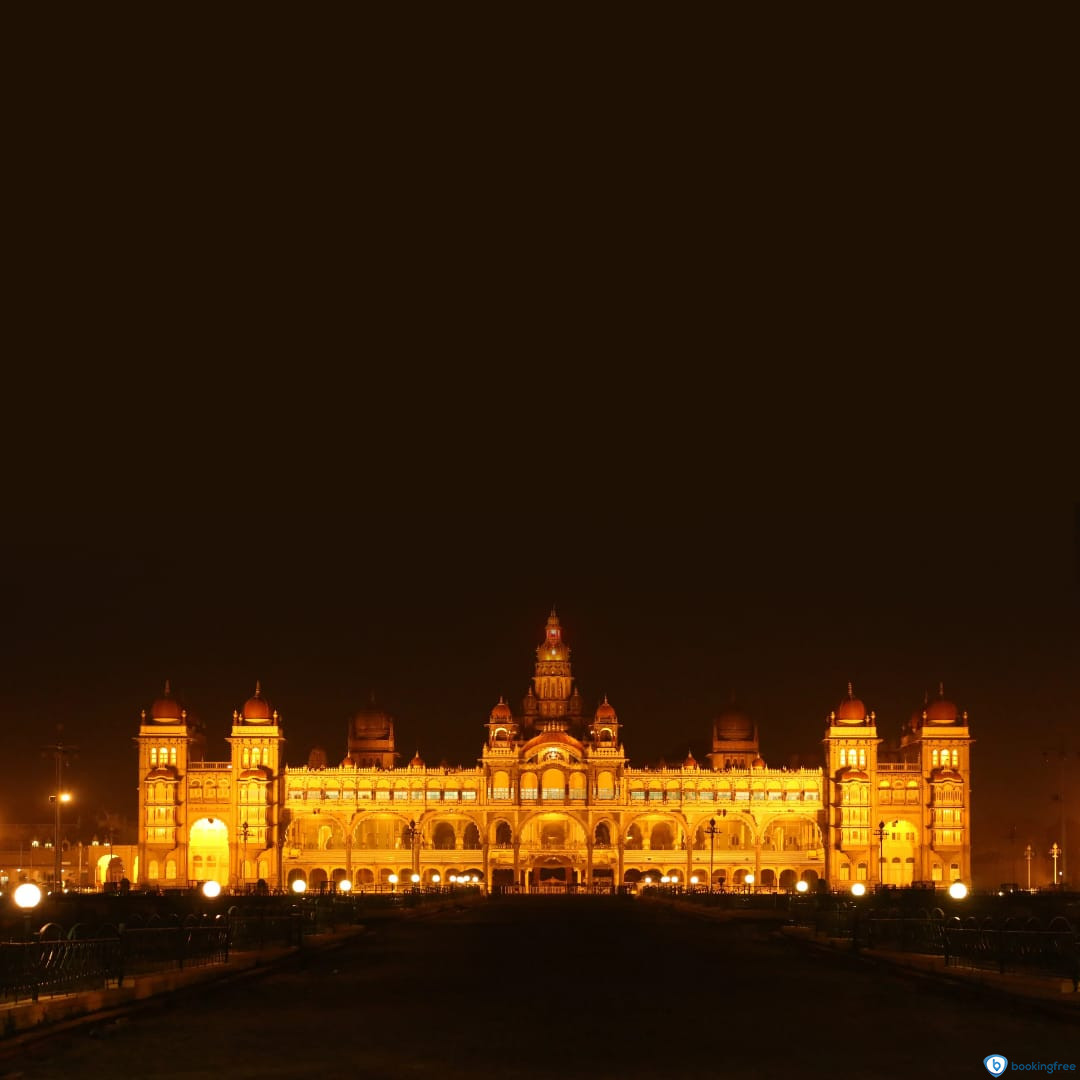
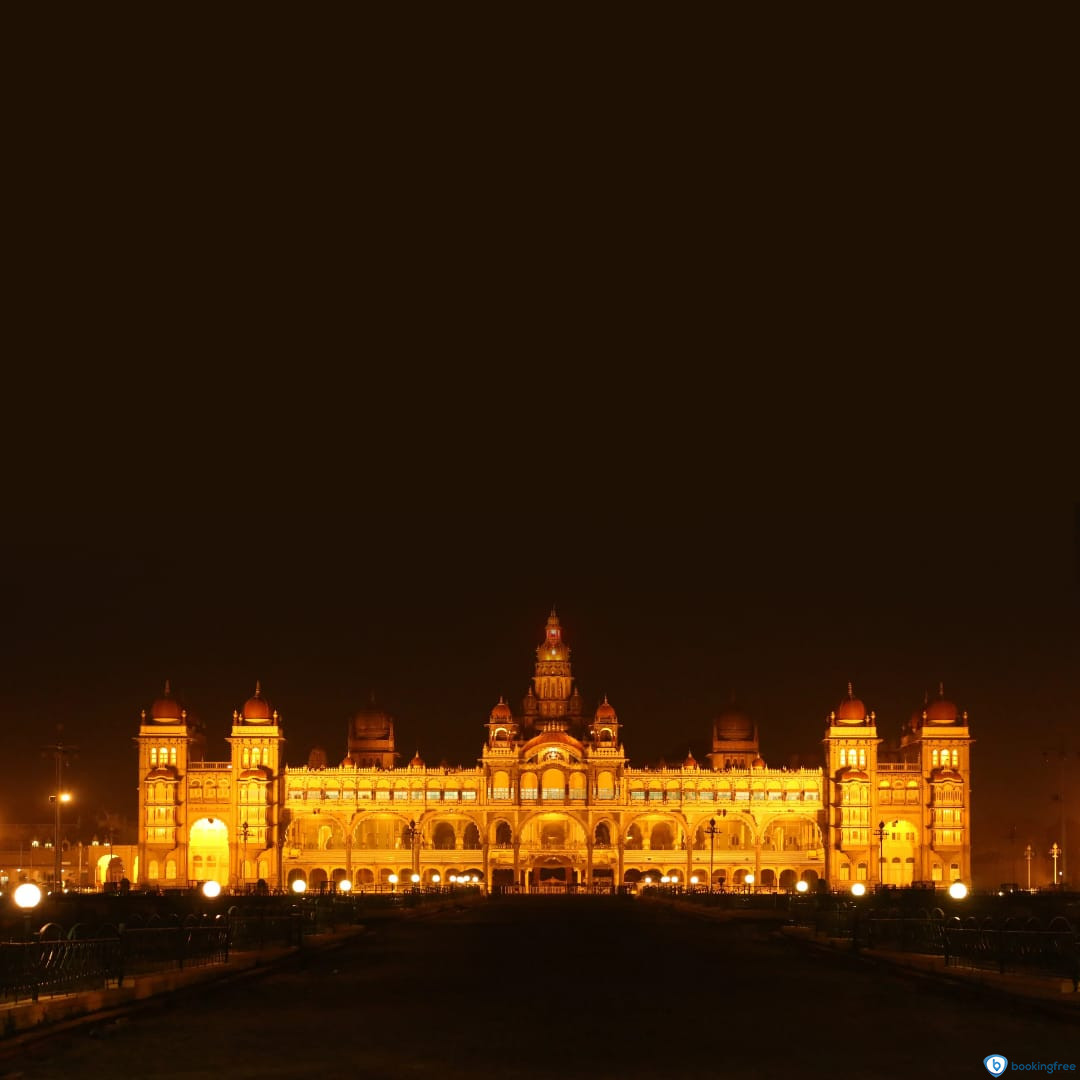
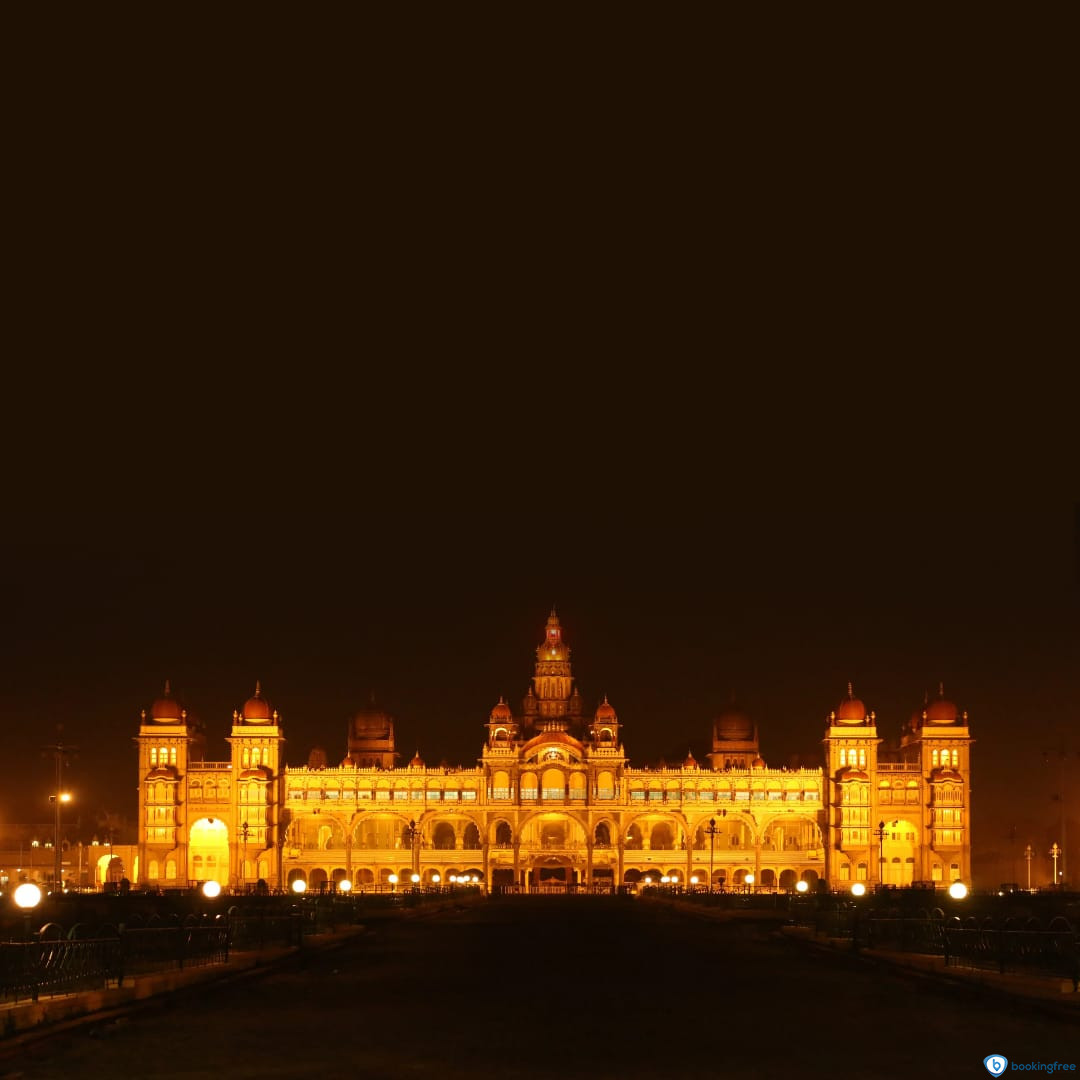
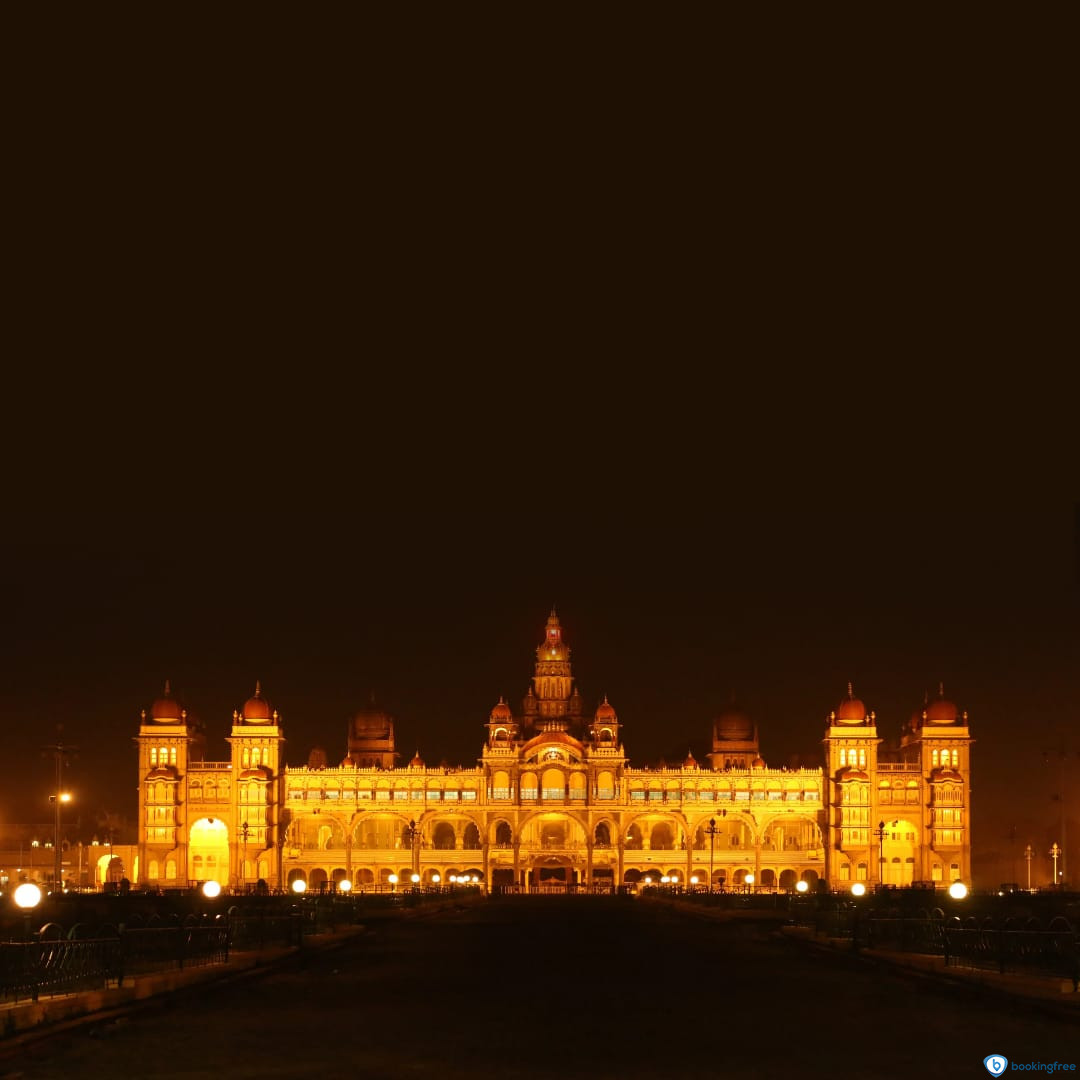
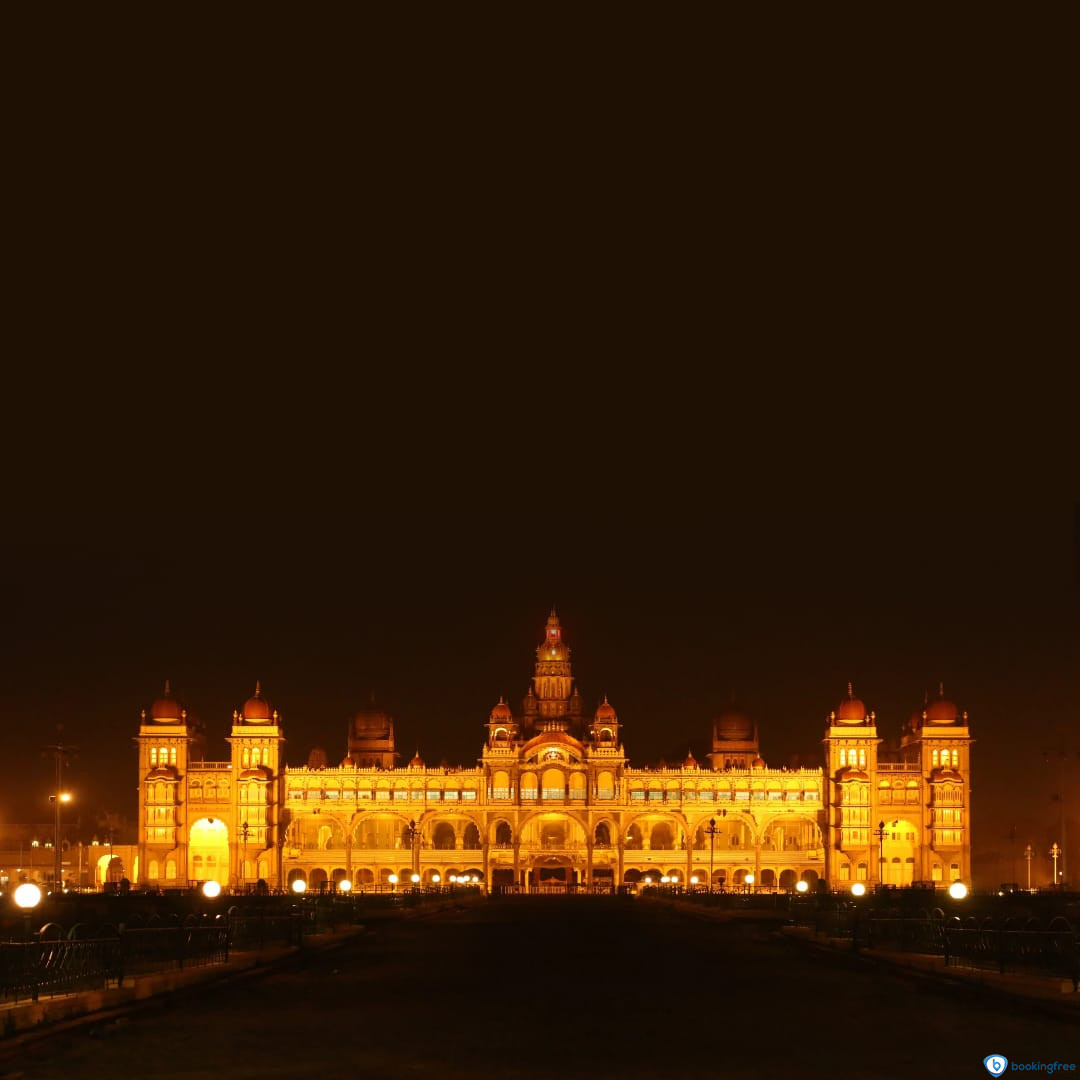
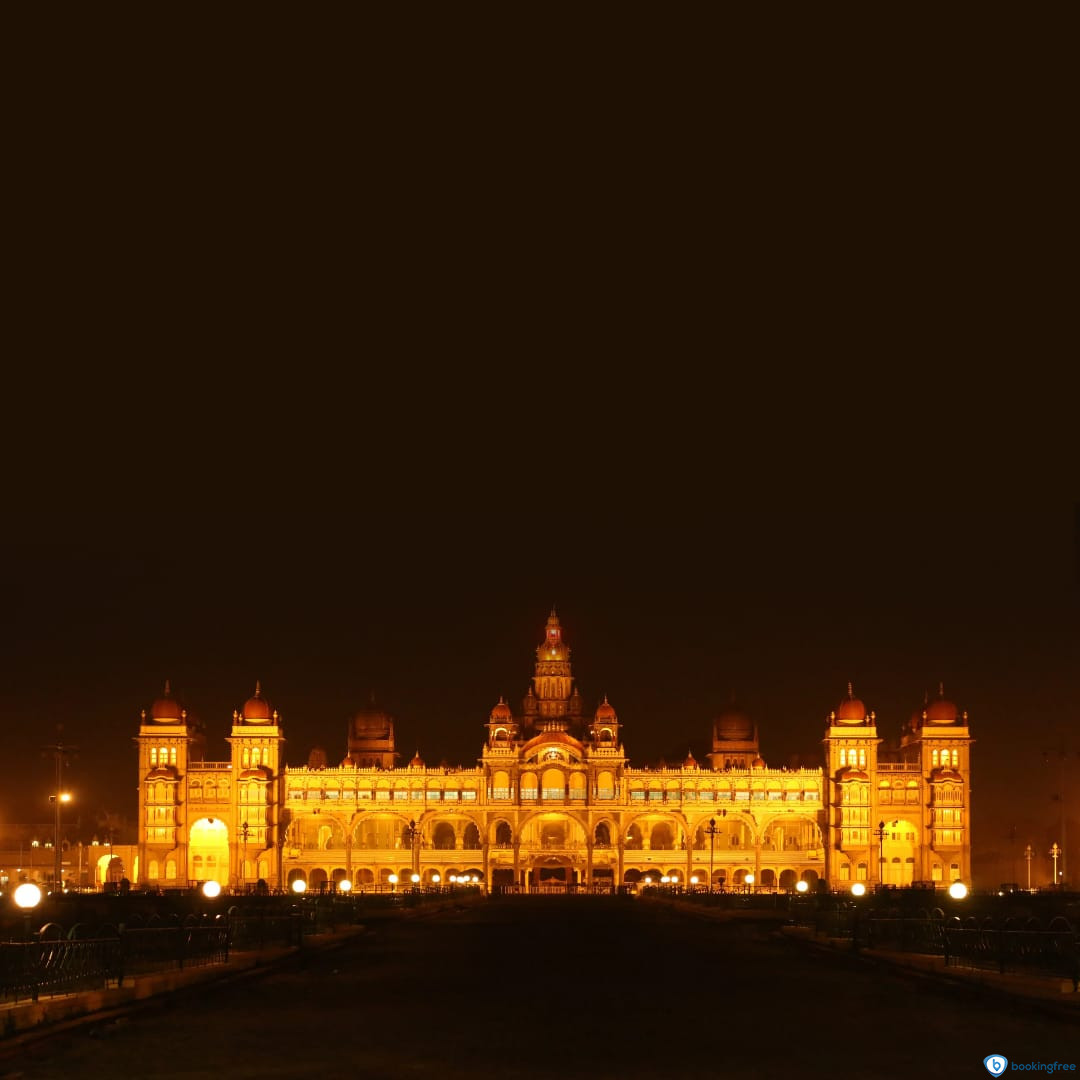
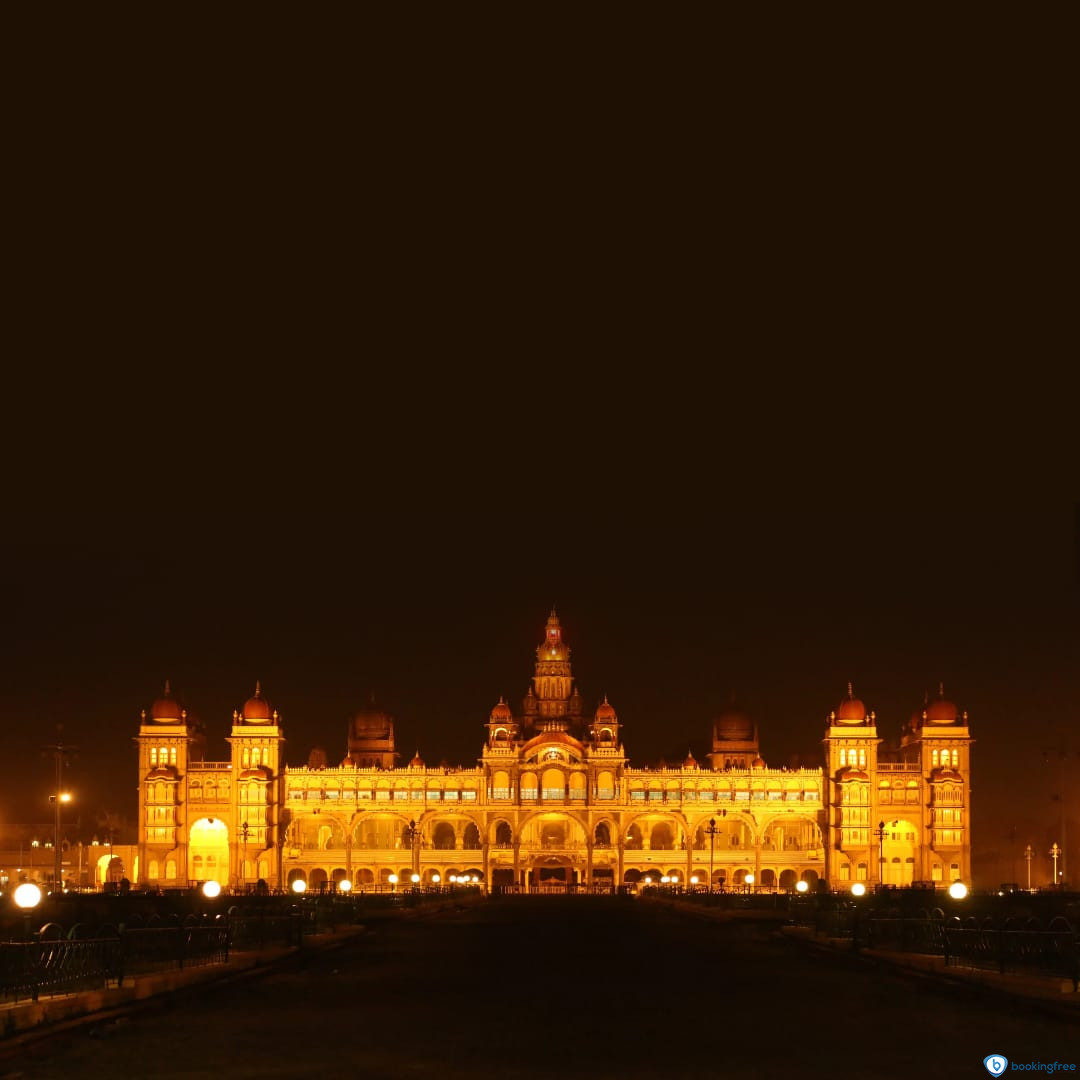
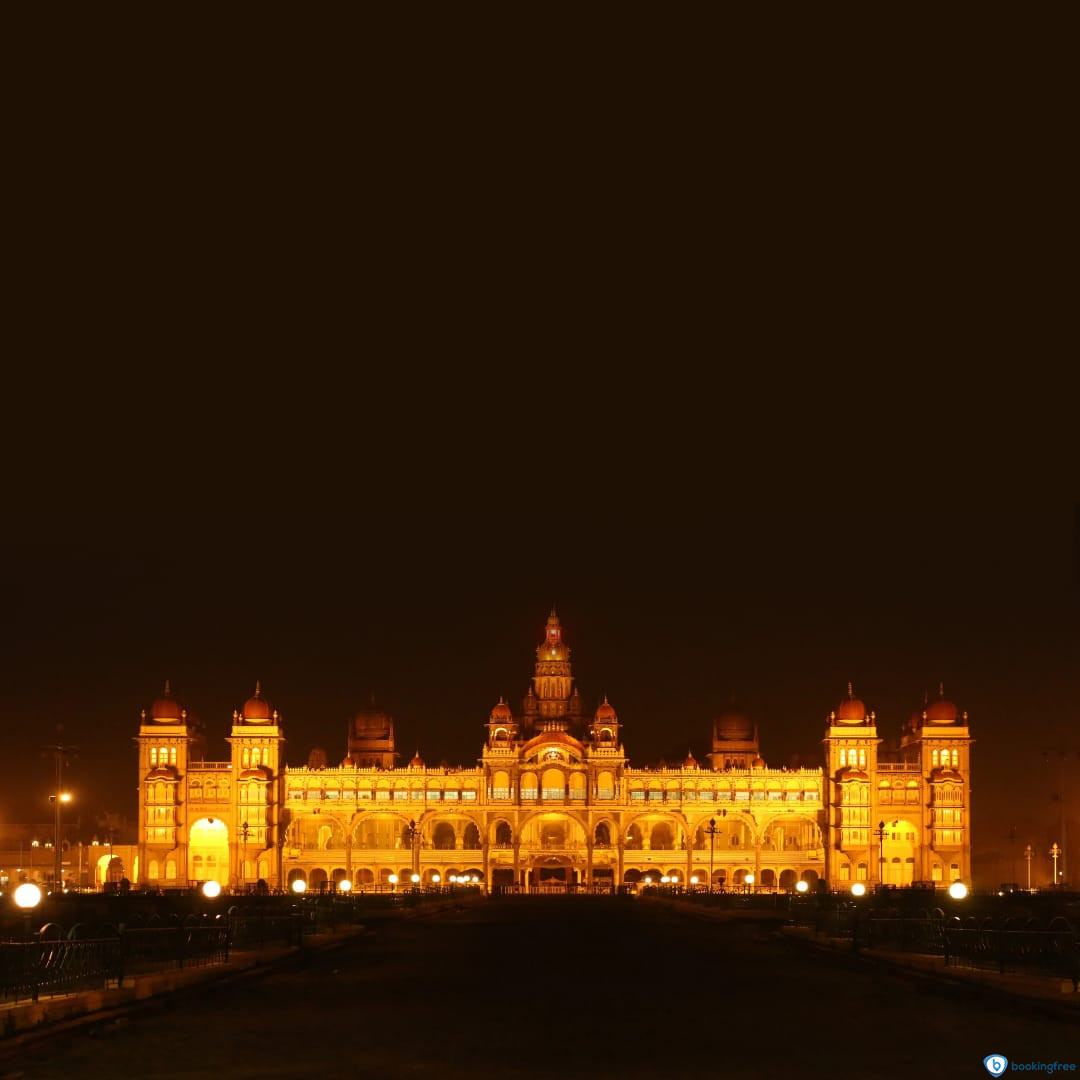
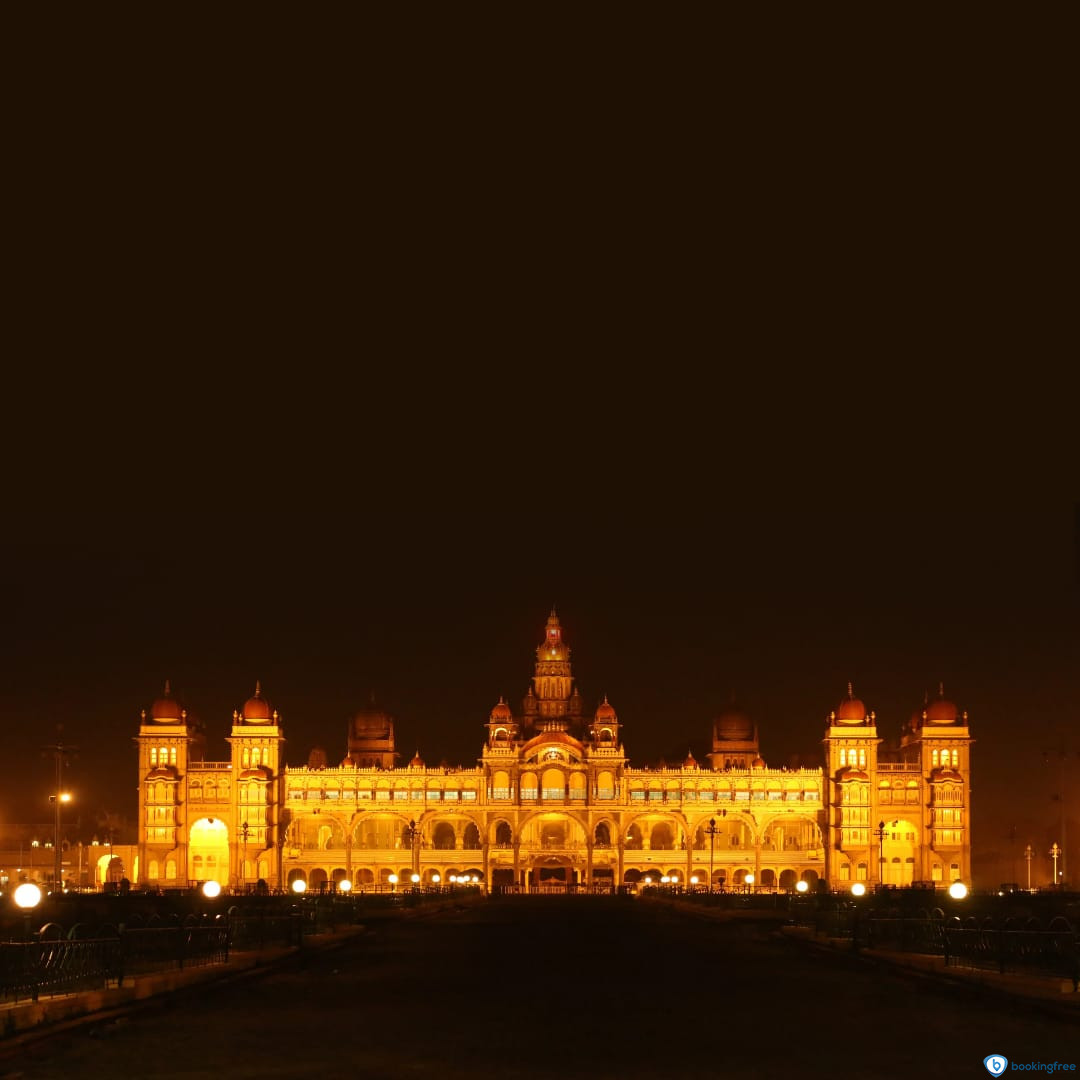
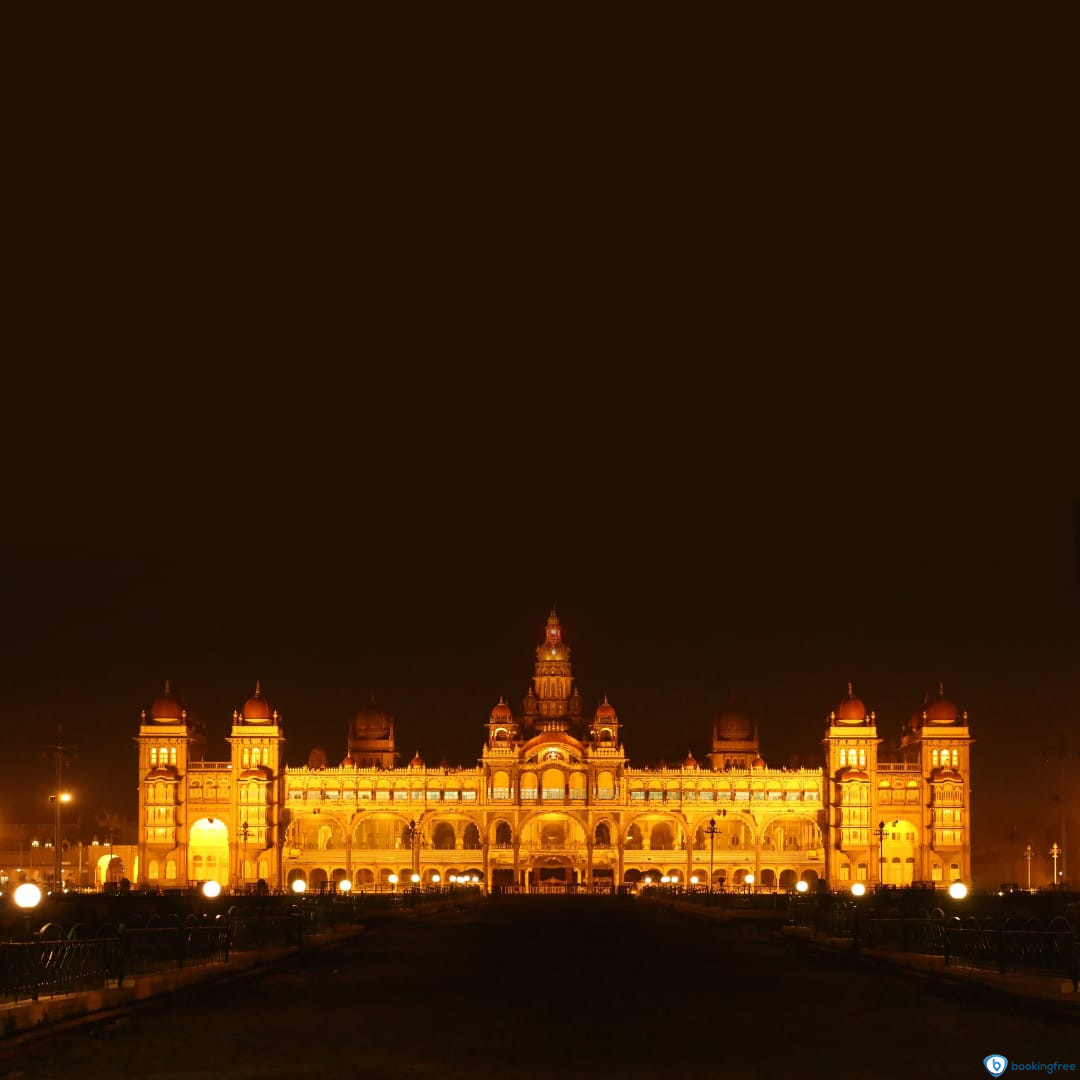
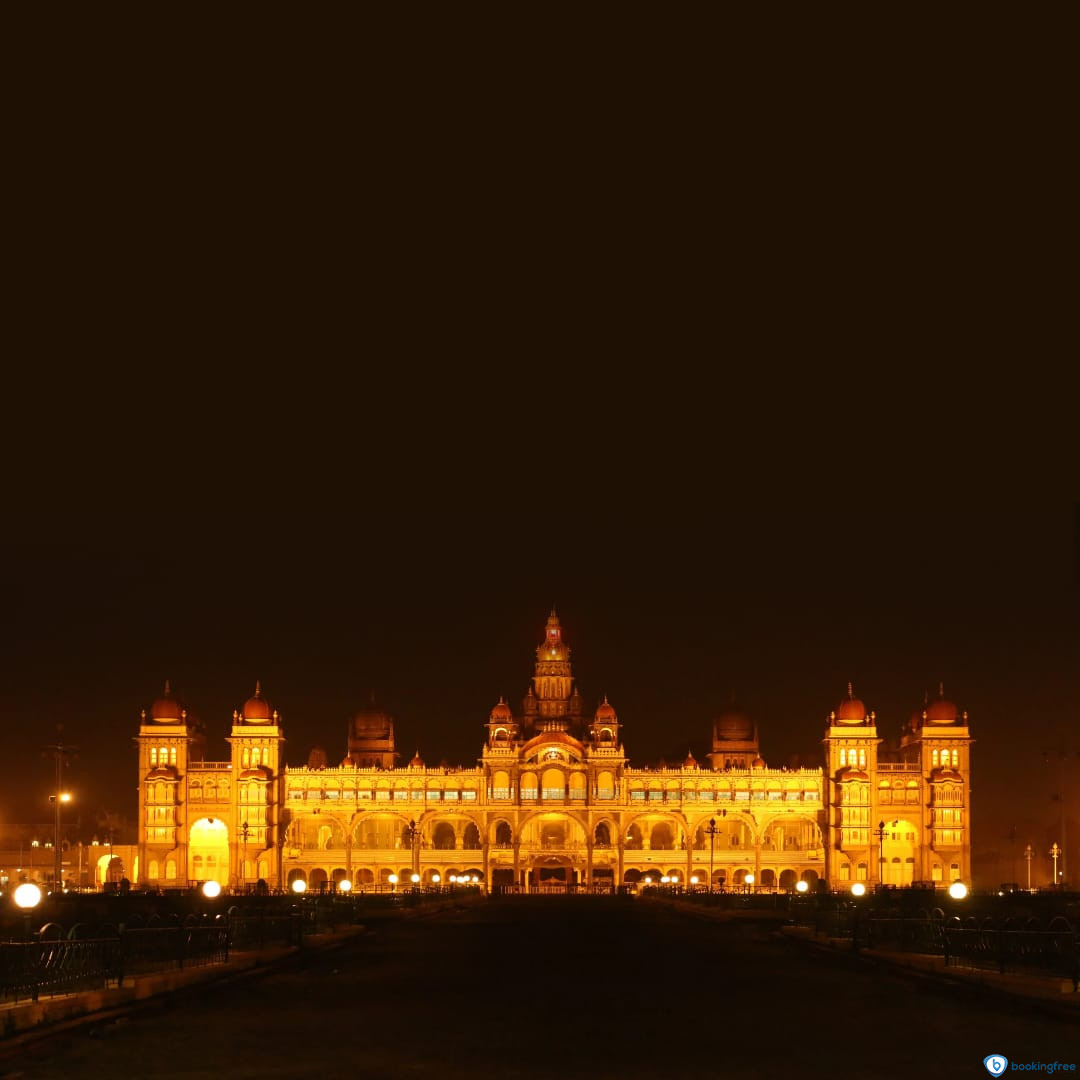
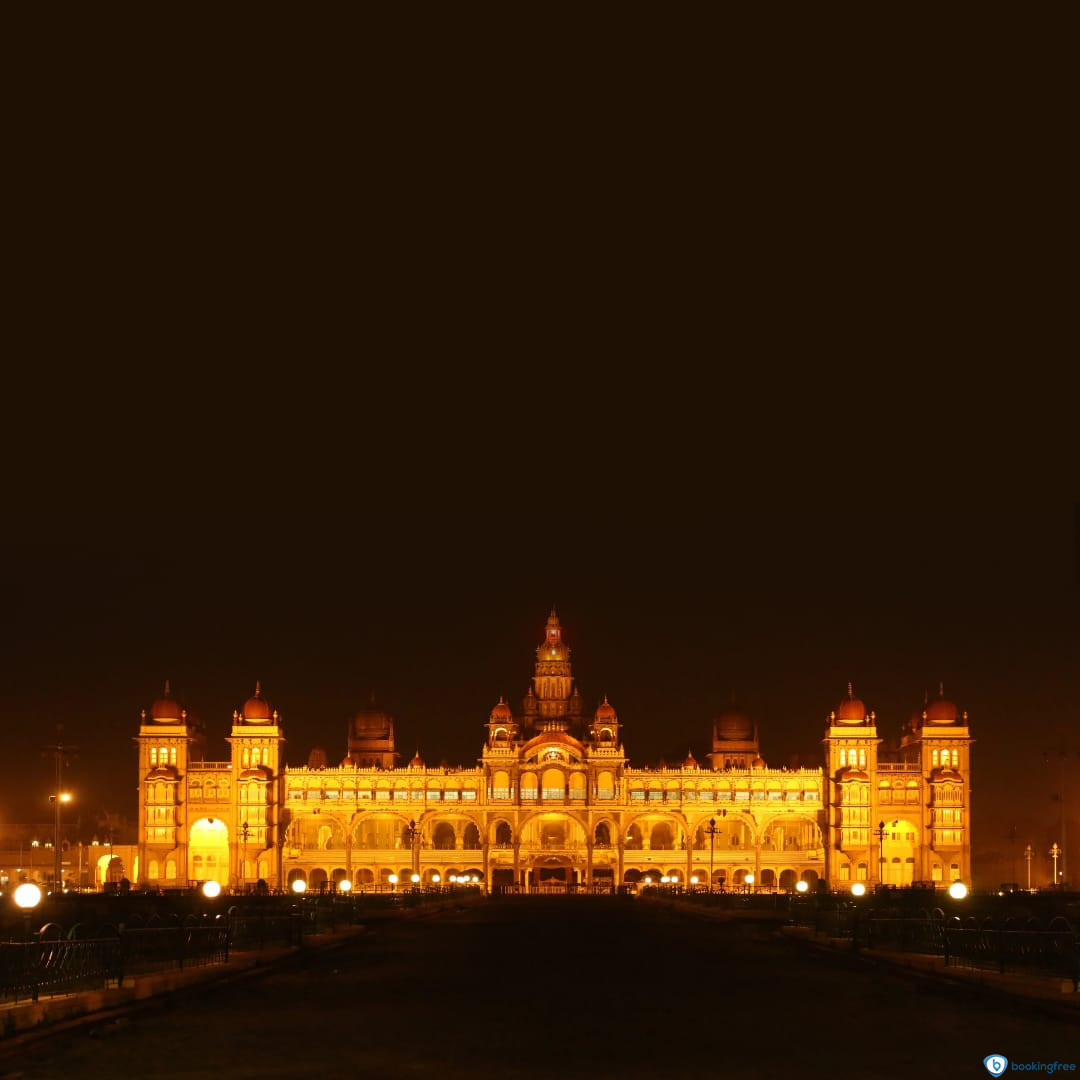
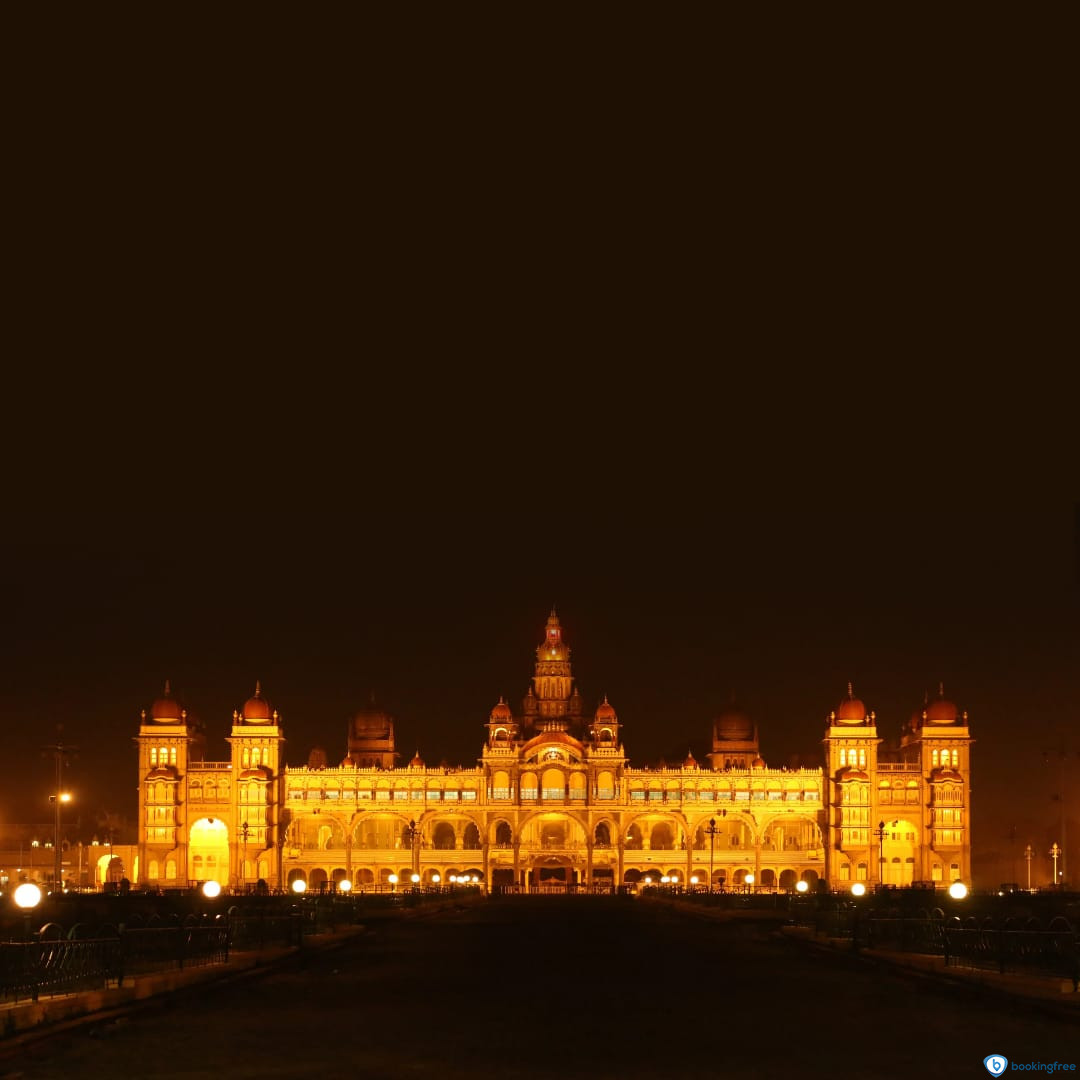
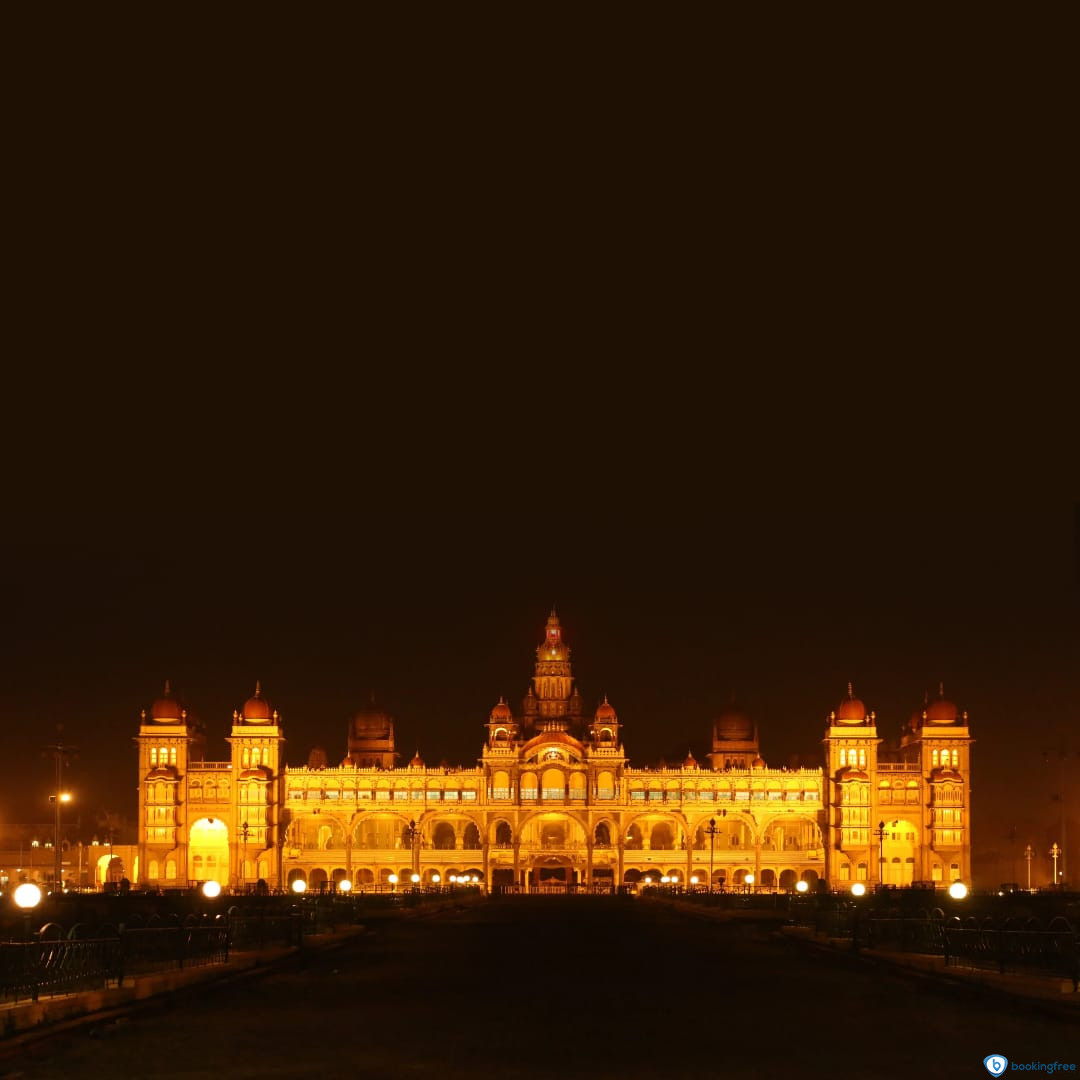
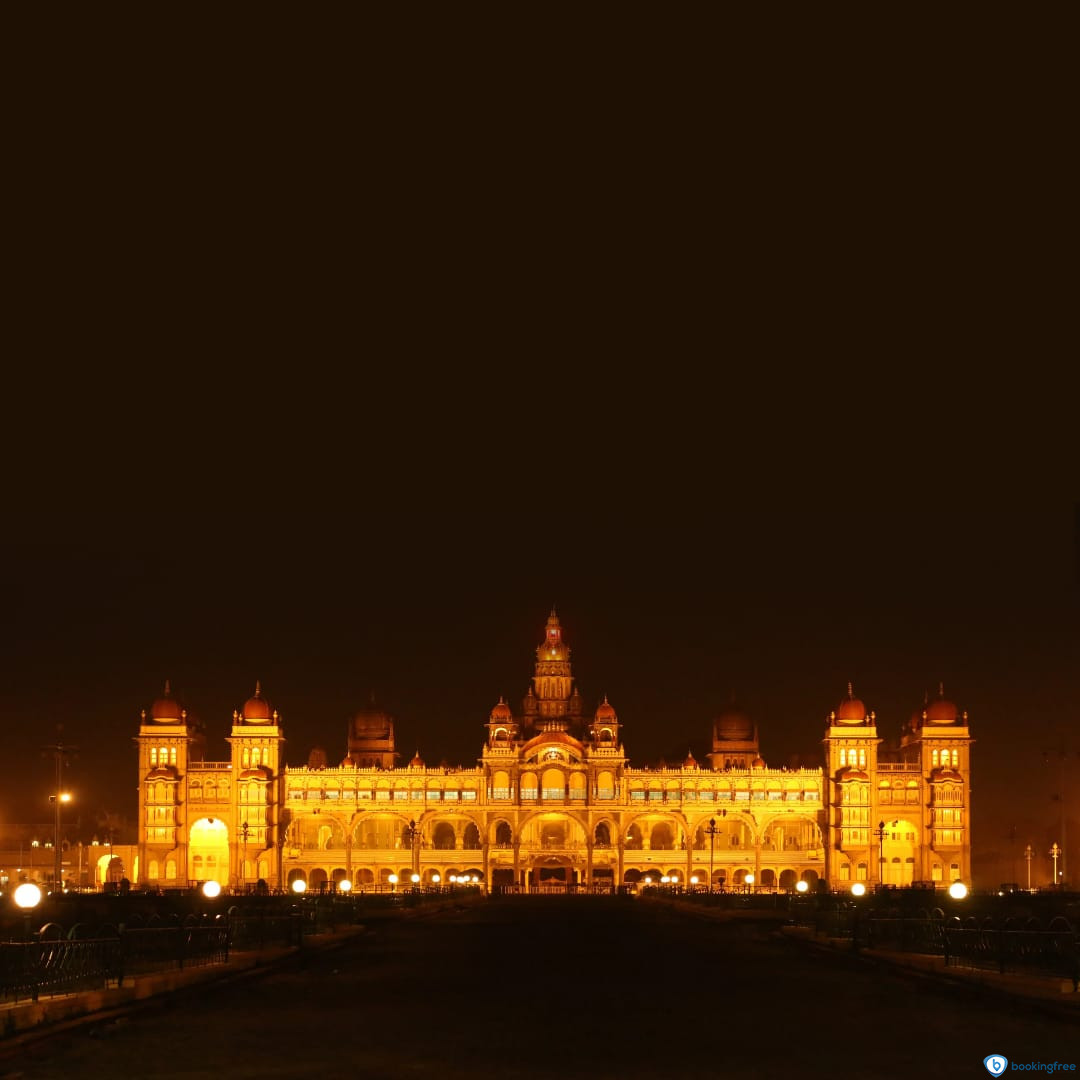
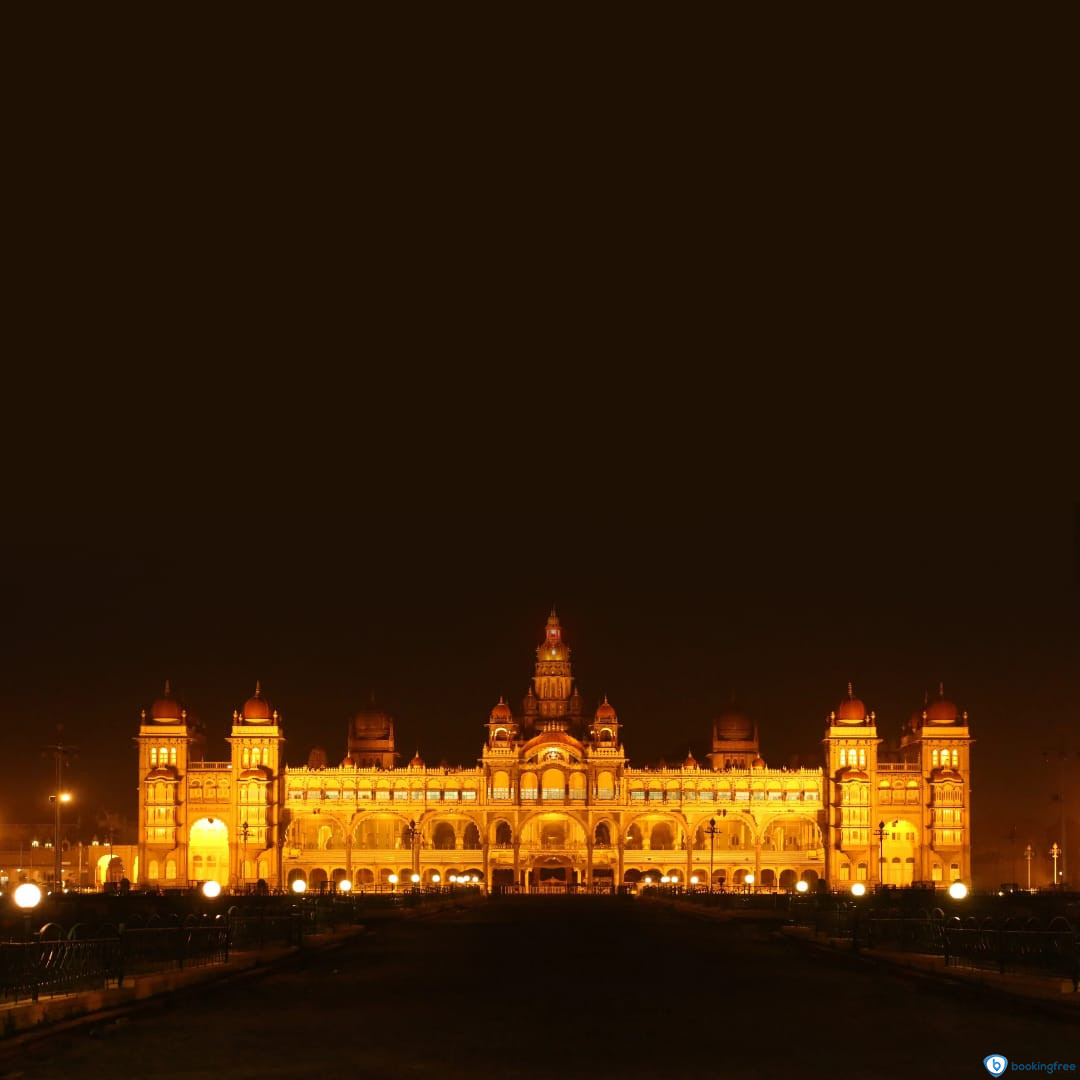
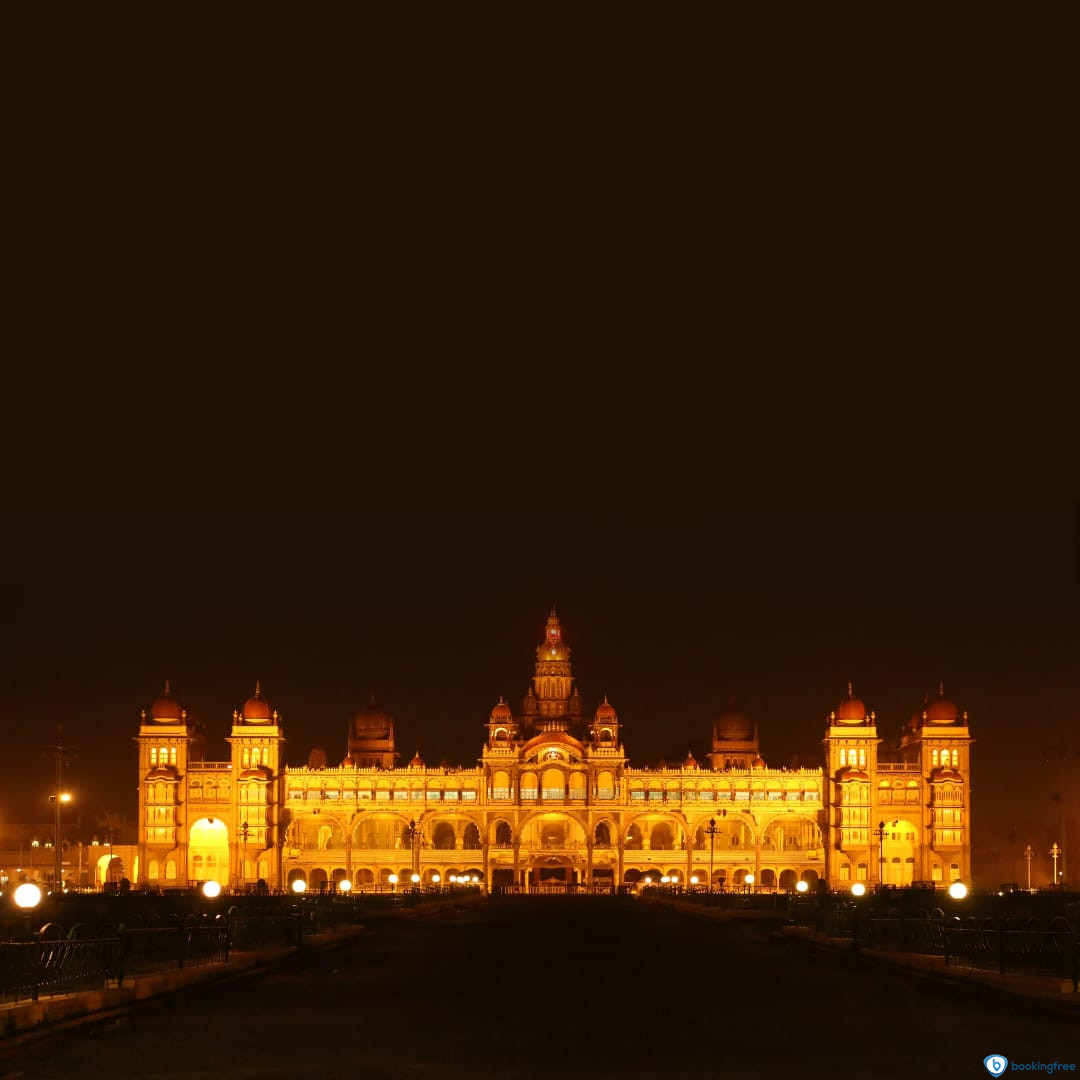
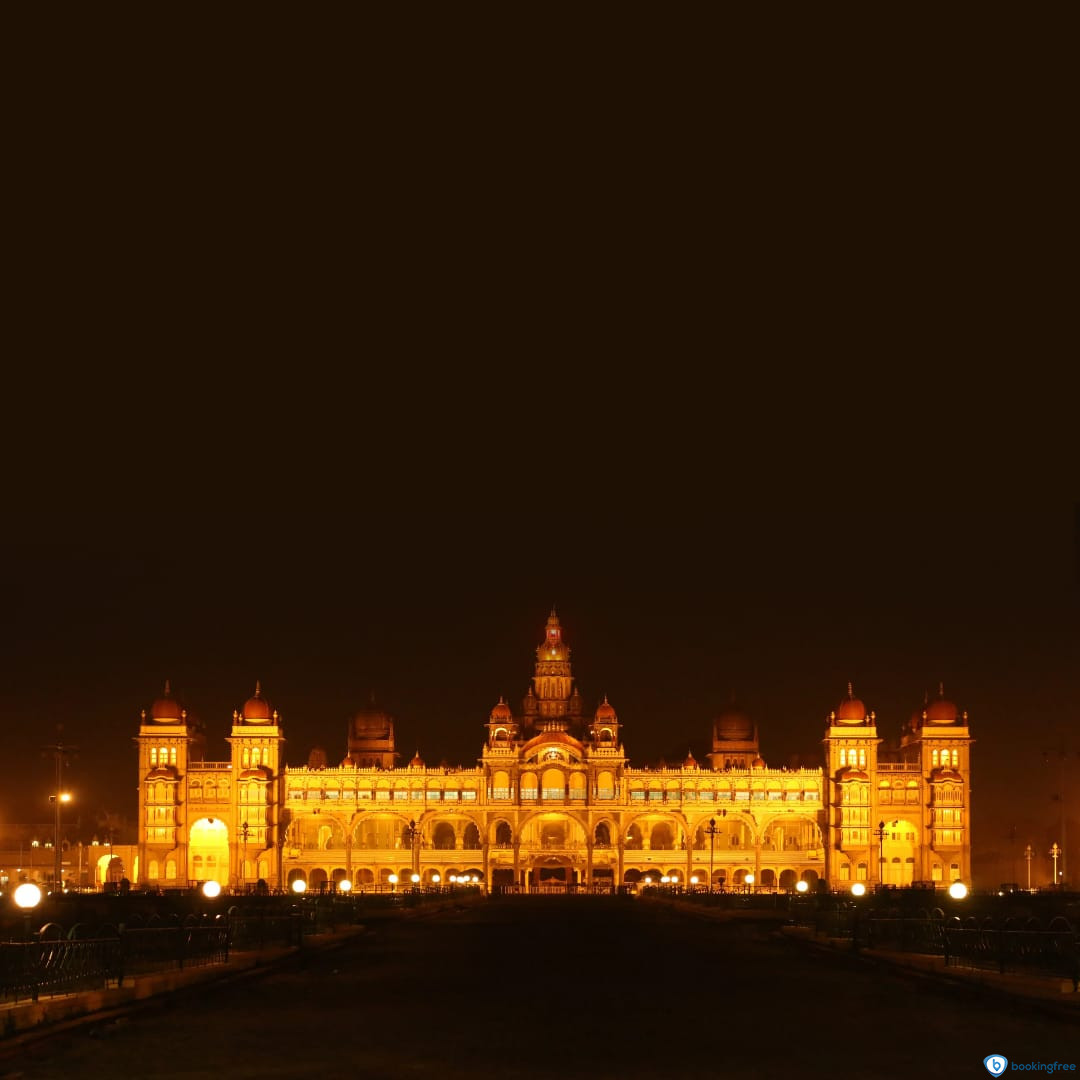
Mysore Palace stands gloriously, wearing out its Indo-Saracenic architecture as a symbol of royal splendor in Karnataka, India. Intricate carvings, vibrant paintings, and gilded ceilings make way for a full narrative of the bounty of royals and rich cultural heritage. Such a majestic Durbar Hall, resplendent with Belgian crystal chandeliers, brings alive the glory of another era. Ambavilasa is part of the palace with its intricately carved pillars and stained glass windows, making it an artistic reminder of royal hospitality. At dusk, the palace becomes a fantastic show that nobody can forget. The Mysore Palace remains a wonder of architecture and is a testament to India's heritage of the royal era. It is one of the most visited places in Coorg.This is a luxury architectural jewel in the heart of Karnataka, India, and a monument to Indian royalties. It is a stunning cultural union built in the Indo-Saracenic style with Hindu, Muslim, Rajput, and Gothic architecture influences. Intricate carvings and beautiful paintings decorate this facade-they bring scenes from Indian mythology and historical events to life. When visitors enter inside, they are greeted by the luxurious Durbar Hall, where the royal family once held court, encircled by Belgian crystal chandeliers and ornate ceilings. The Ambavilasa, with its ornamental pillars and stained glass windows, exudes a sense of regal splendor and hospitality. As dusk sets, the palace erupts into life like a spectacle of brilliance, with thousands of lights casting an enchanting spell on the magnificent structure. This nocturnal illumination beyond words, particularly on Dussehra, attracts them to this distant place so they can behold this grandeur with their own eyes. The Mysore Palace is a historical landmark, but it is also living. It symbolizes India's rich heritage and the excellence with which architecture has been shaped in this great land. This place's cultural value has only managed to captivate its visitors through its timeless beauty.